
The order of the shots is the film.
Assembly, structure and pacing. The part that decides whether anyone watches to the end.
 In the edit
Cameras booked by
Send the footage and the deadline.
Card dumps, a folder in the cloud, or a drive in the post. Tell us what the film is for, how long it should run, and when it has to exist. Everything else we can work out from the material.
Ours or somebody else's. We edit either.
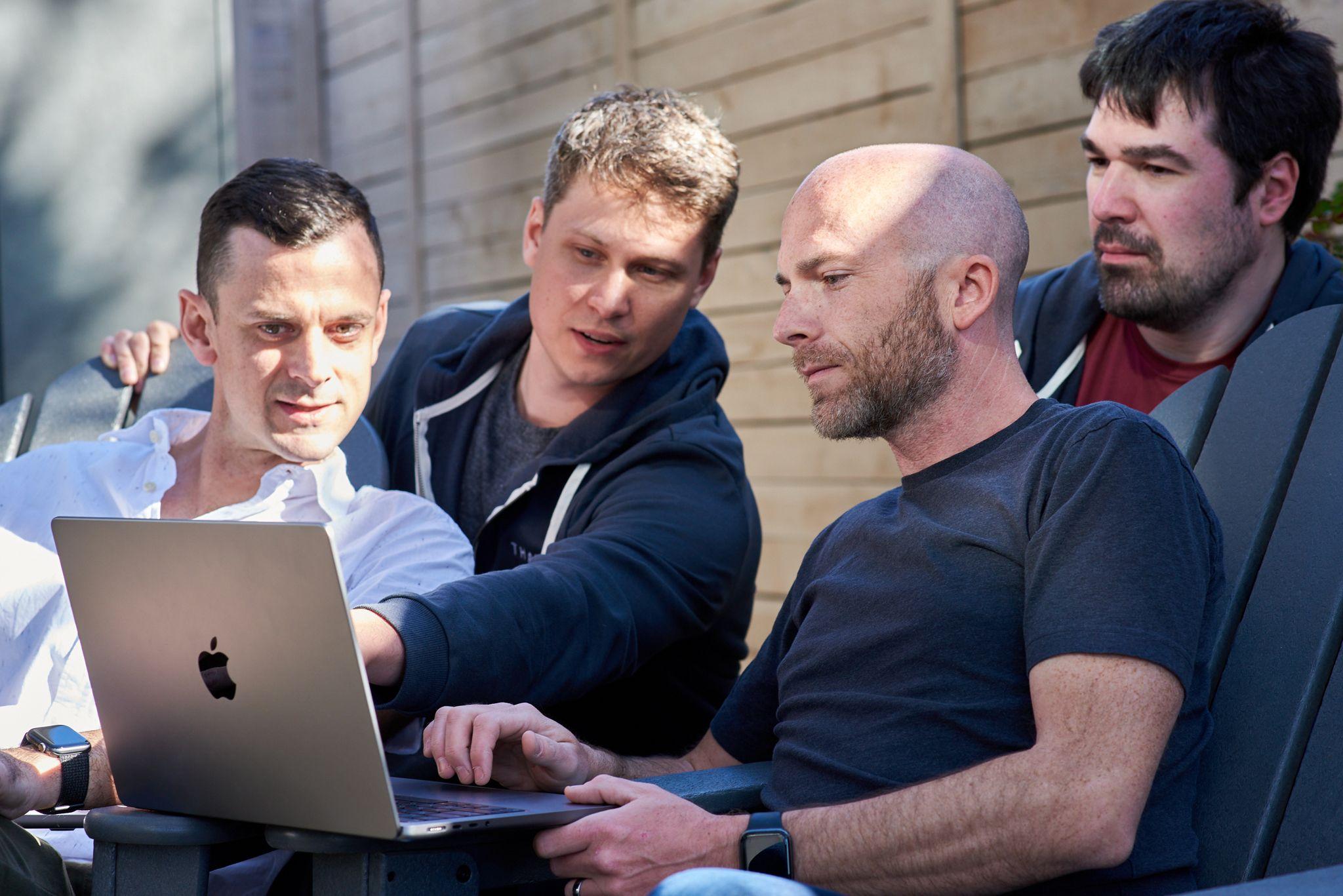
A rough cut you can actually judge.
The first thing back is structure, not polish: no grade, no titles, no music that will be replaced. That is deliberate. Notes on a rough cut cost almost nothing and notes on a finished film are expensive, and the only thing worth arguing about early is whether the film works.
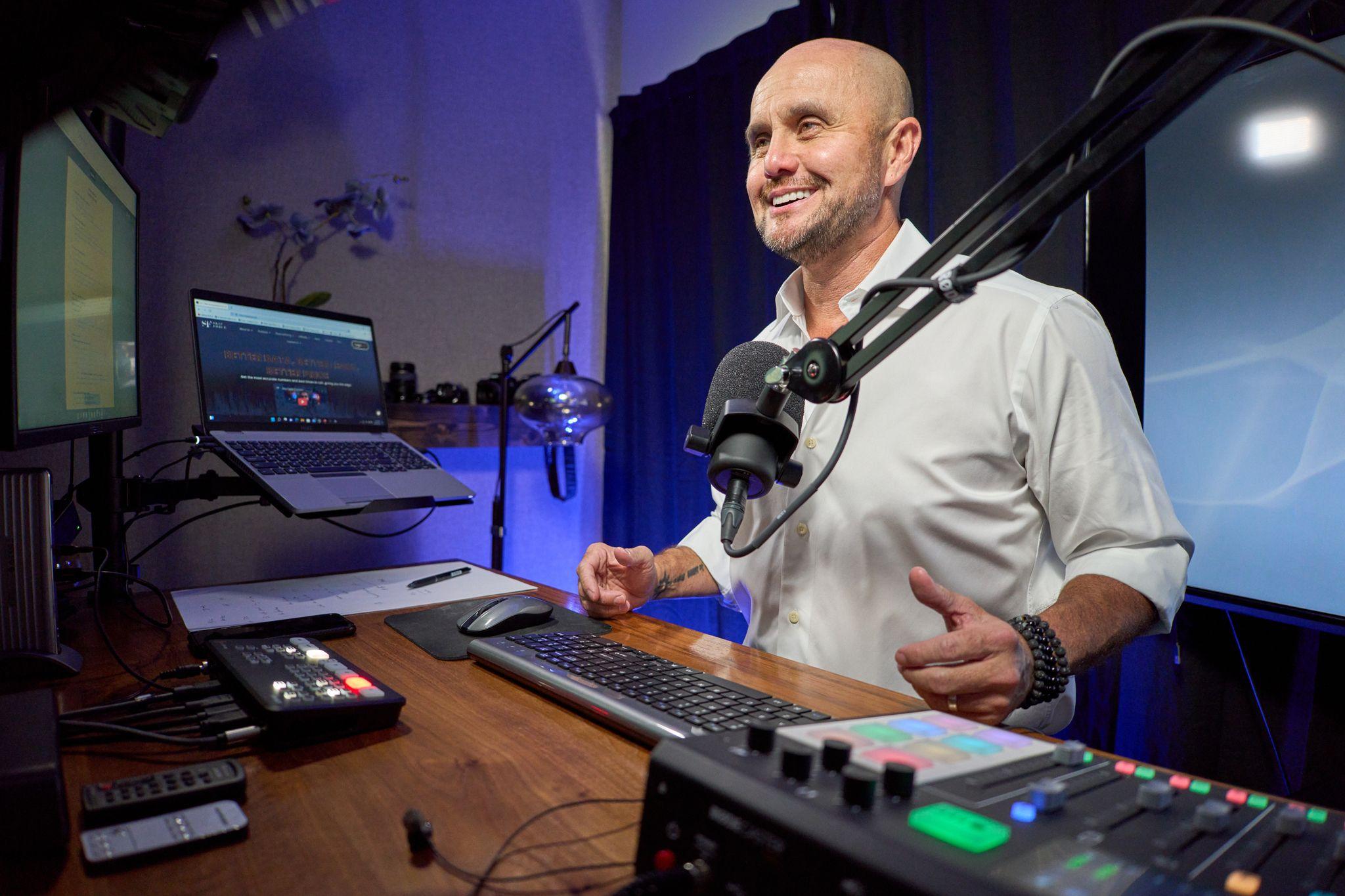
Then it gets tightened until it earns its length.
Most films are thirty percent too long and the cut is where that gets fixed. Two rounds of changes are part of the price, and every version is delivered as something you can watch on a phone and comment on by timestamp.
Cut for each place it goes — the site, the feed, the vertical — rather than one master you re-crop yourself.
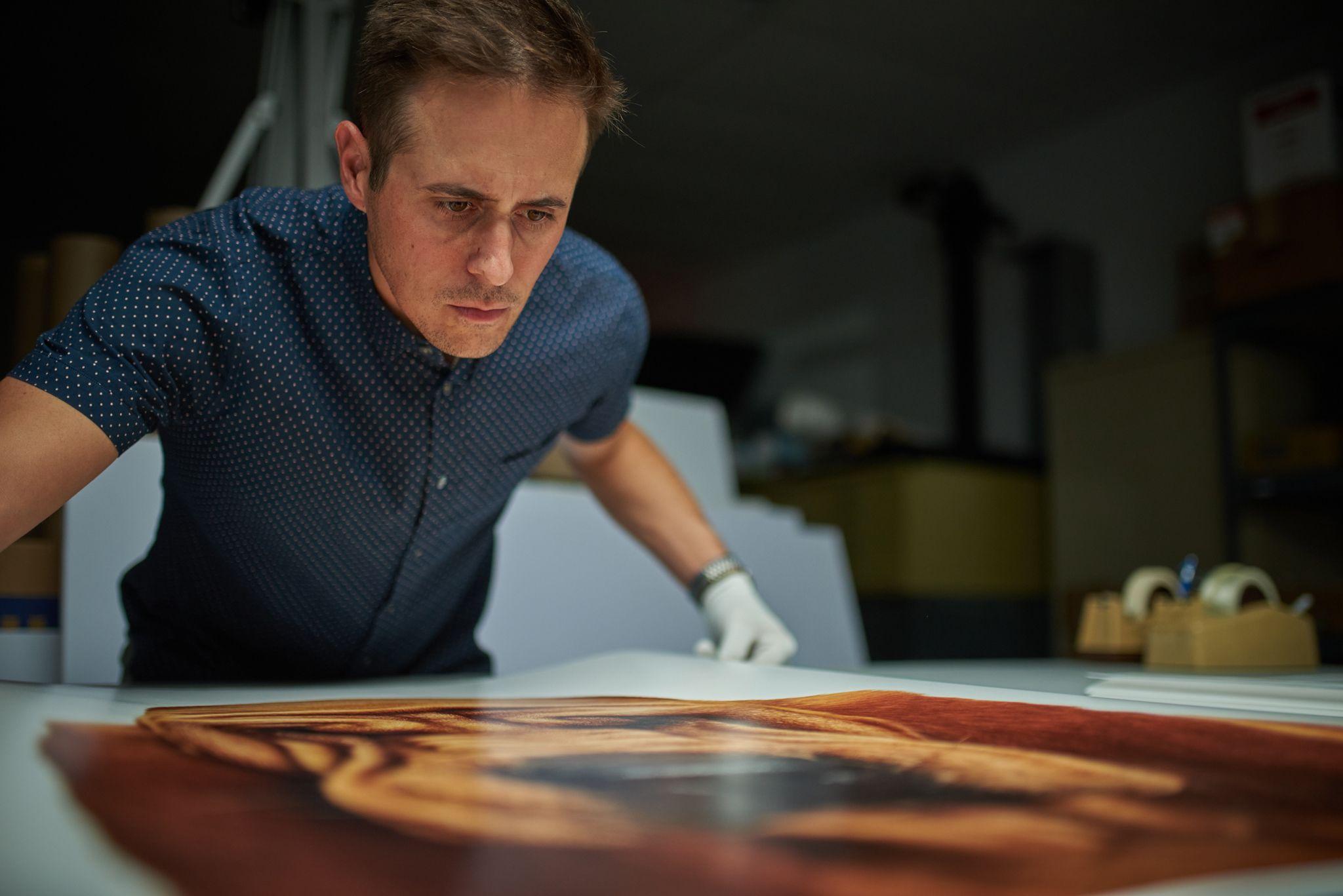
The timeline is yours at the end.
Conformed, labeled, and handed over with the finished film. Next quarter's re-cut should be a re-cut, not a negotiation with whoever holds the project file.
Send us the drive.
Tell us what it needs to become. A sentence is enough to start.
No deposit on most bookings. Charged when we wrap.