Artwork Scientific & Archival
Work copied so faithfully the file can stand in for the original.
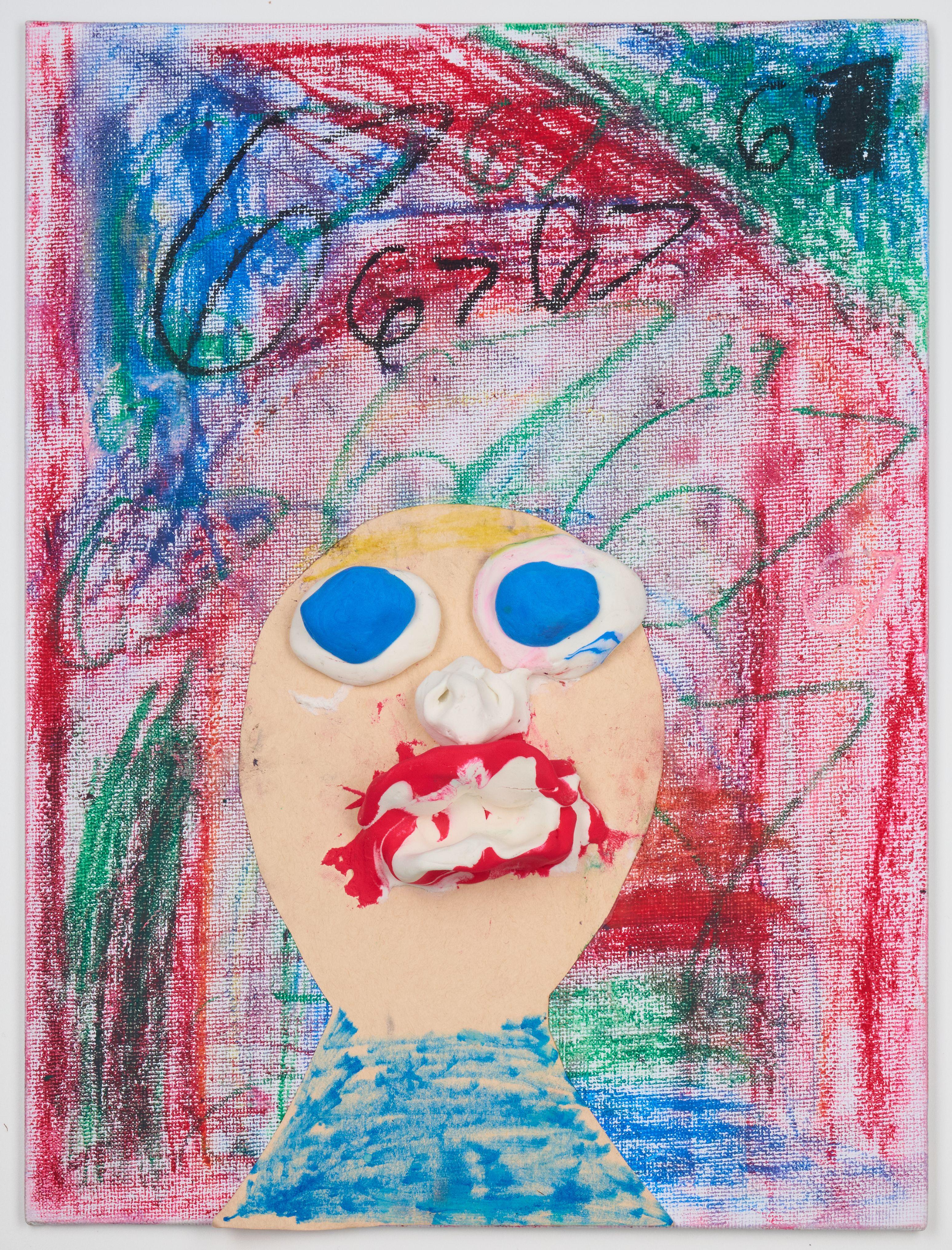
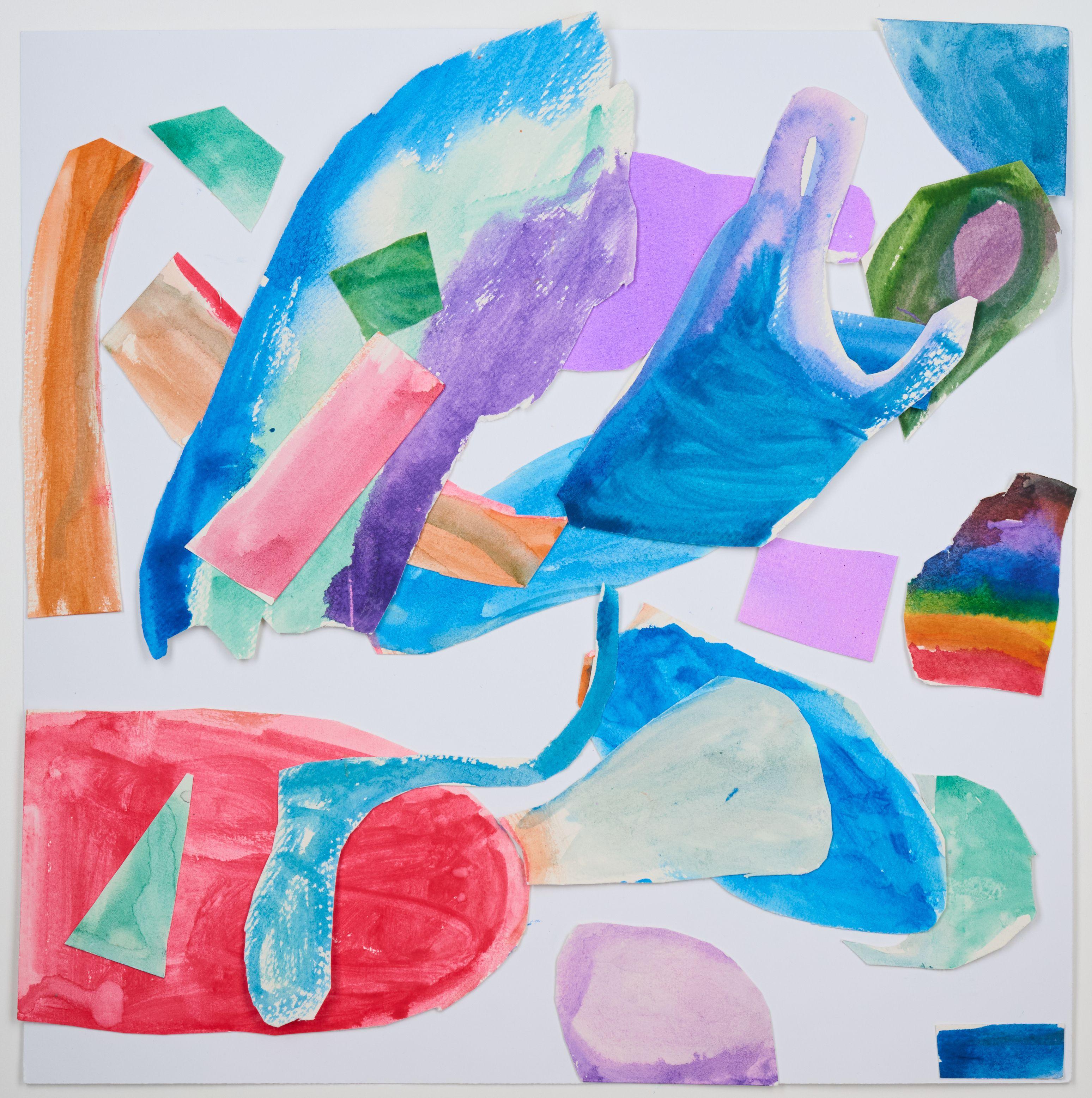
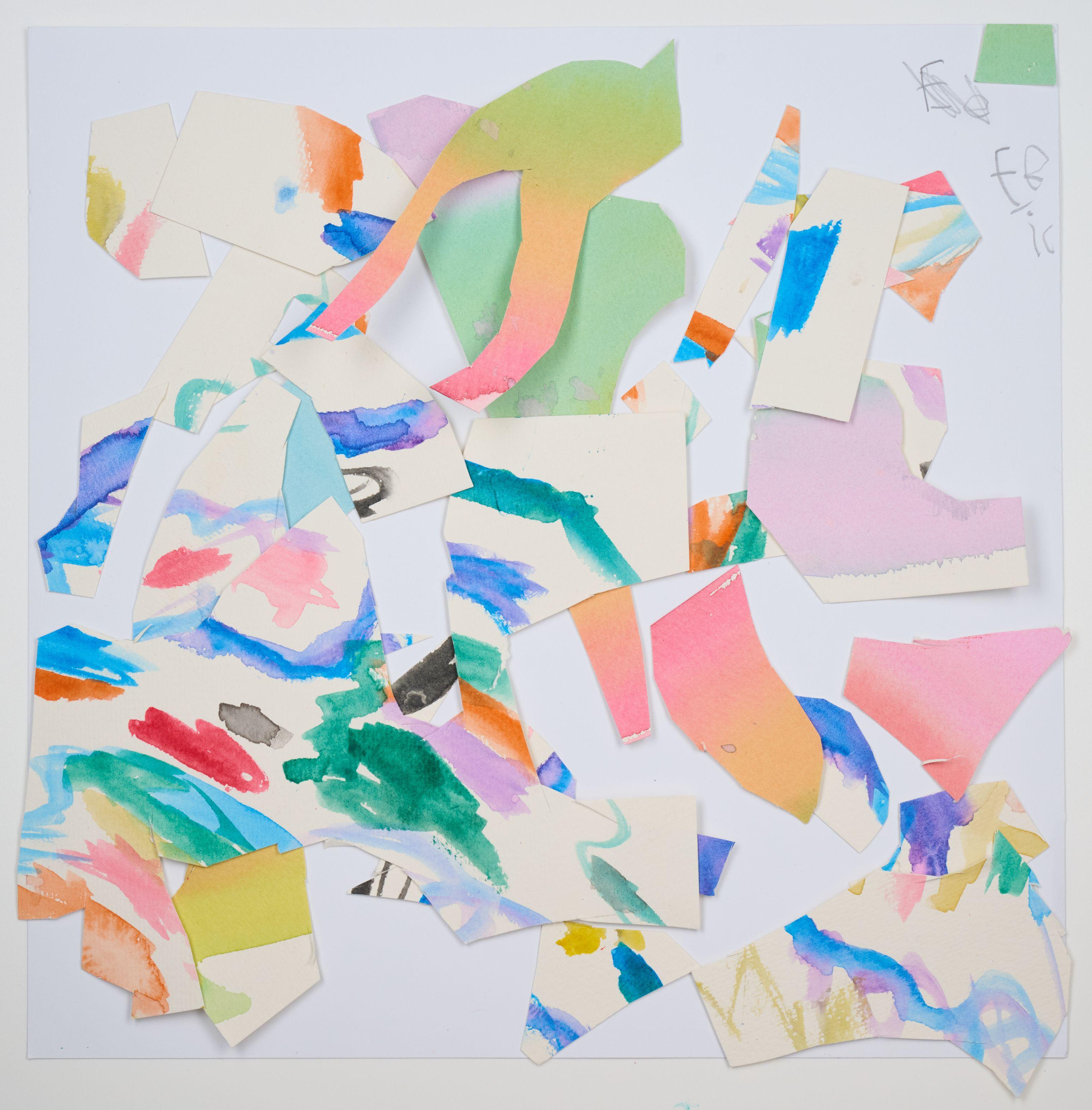
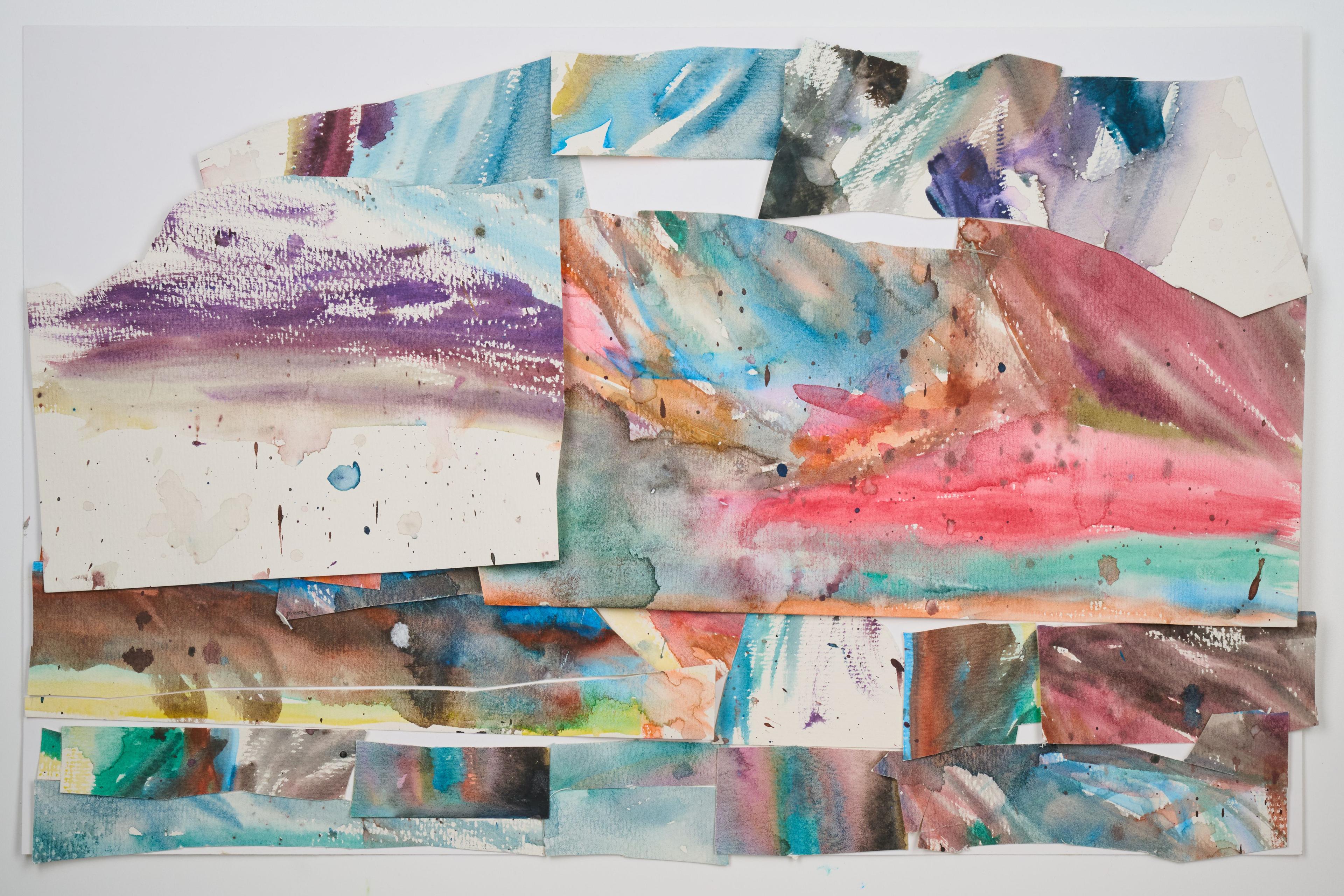
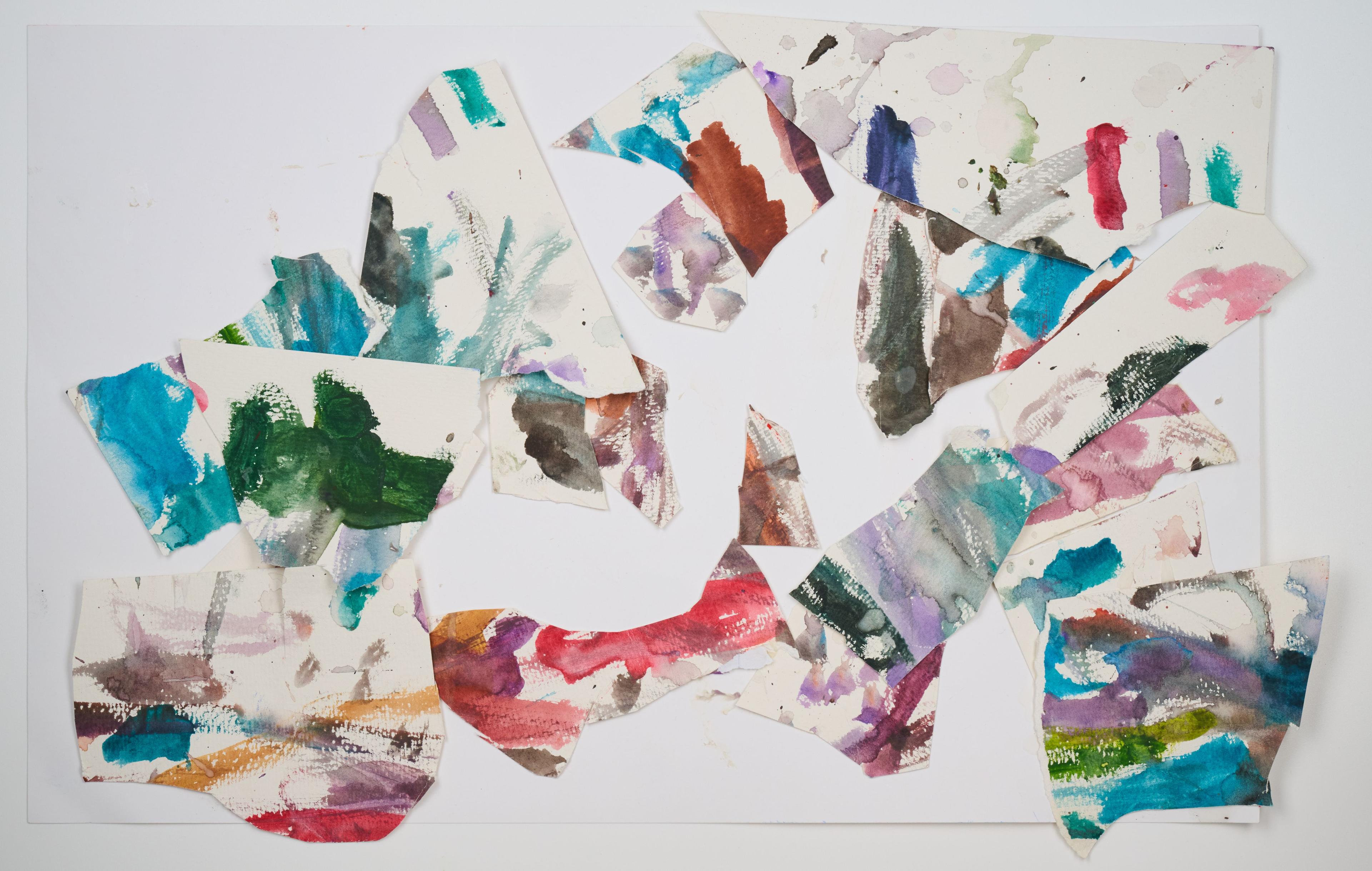
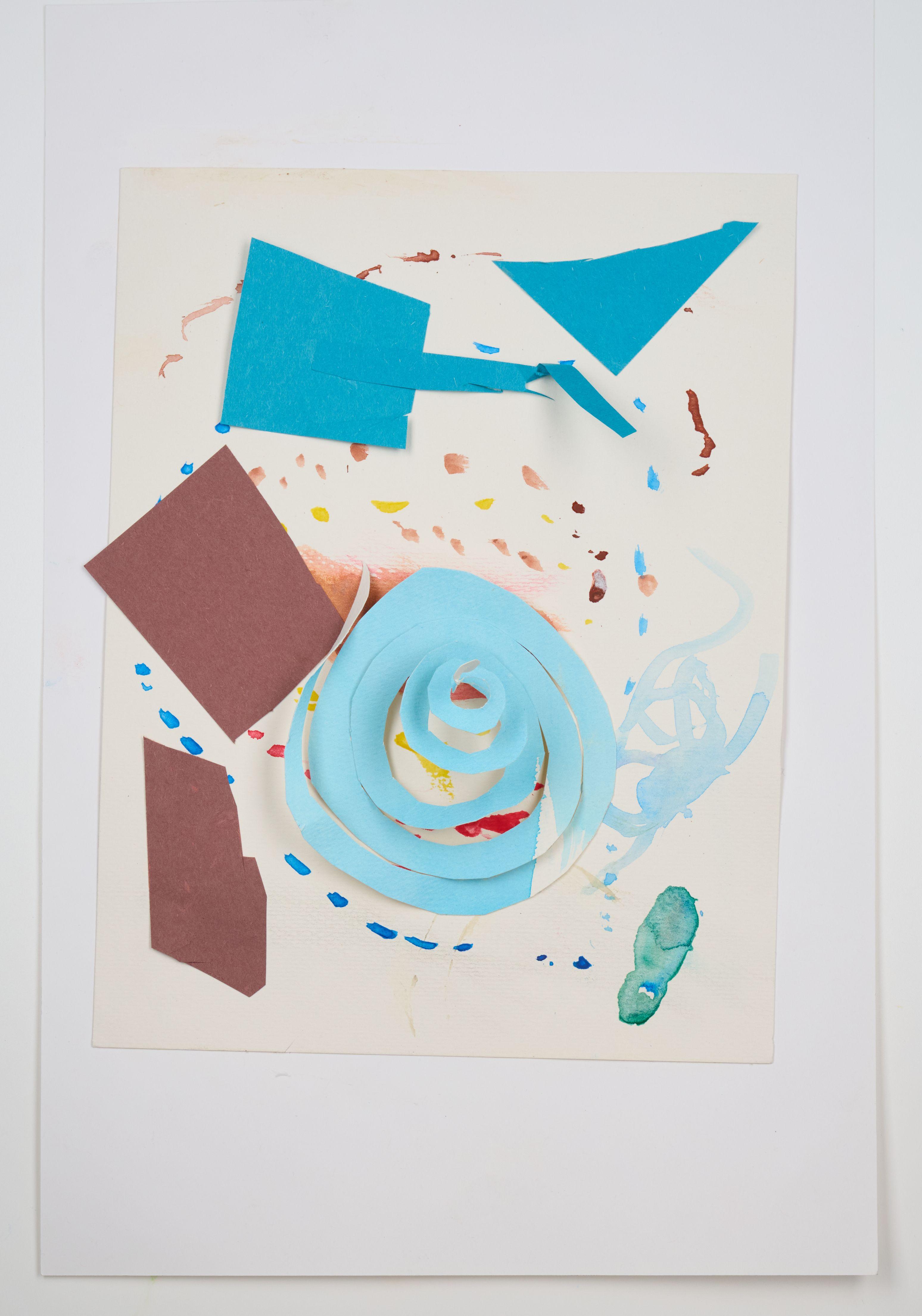
Reproduction is the quietest job in the studio and the easiest one to get wrong. Nothing is styled, nothing is interpreted, and there is no good angle to find — the piece is lit flat and even, squared to the sensor, and profiled so the blue on the paper is the blue in the file. That's what a print run needs, what a jury submission needs, and what an archive needs in ten years when the original has moved or faded.
Tell us the dimensions, the surface and what the files are for. Framed, unframed, flat or three-dimensional.
Start the conversation
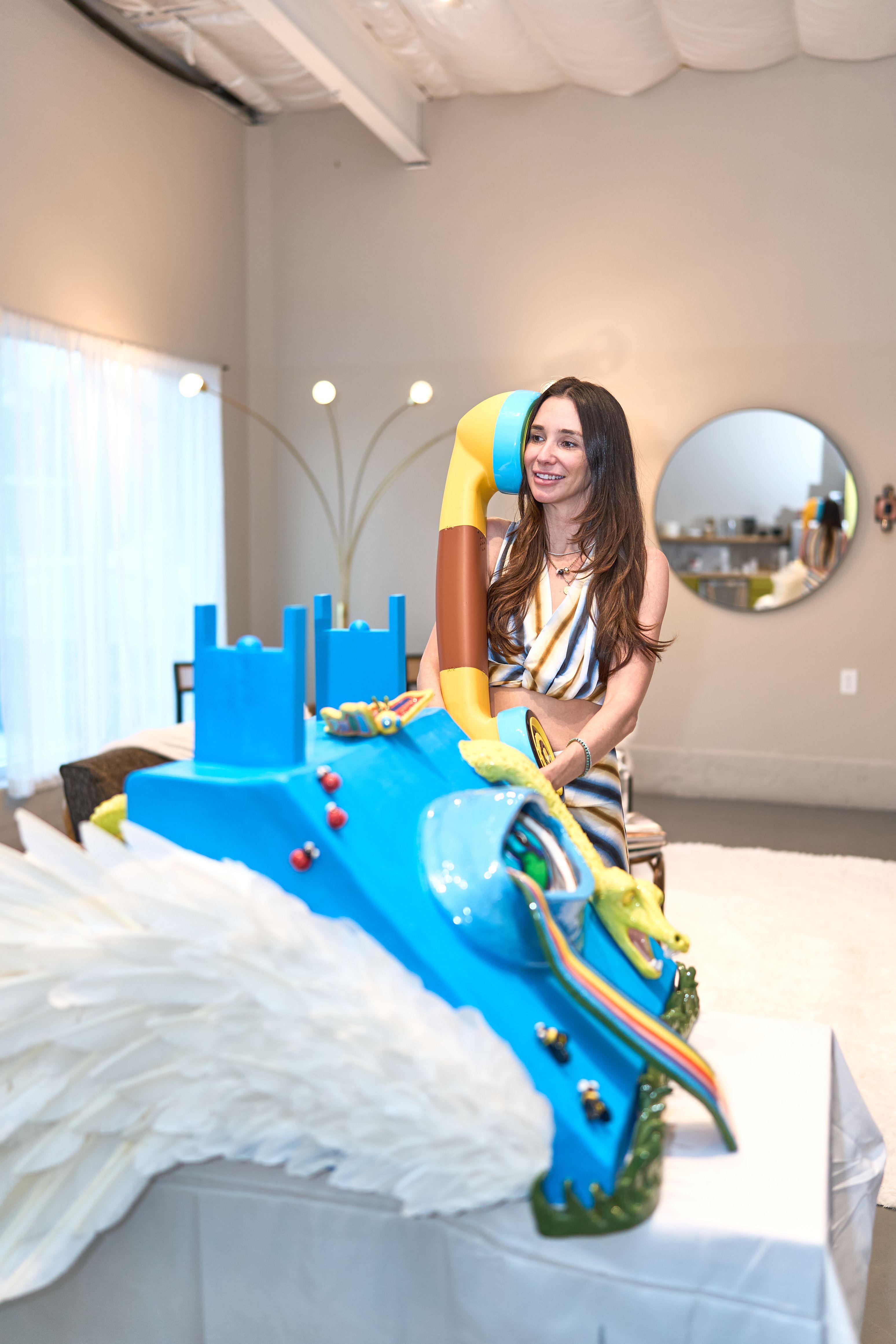
The work has to survive being photographed.
No styling, no interpretation, no flattering angle. Flat light, square to the sensor, profiled color — so that what comes back is the piece and not our opinion of it.
Flat, square, and the color it already is.
Works on paper, mixed media, torn edges and all. Copied whole, with the margin left on, because the edge of a piece is part of the piece.
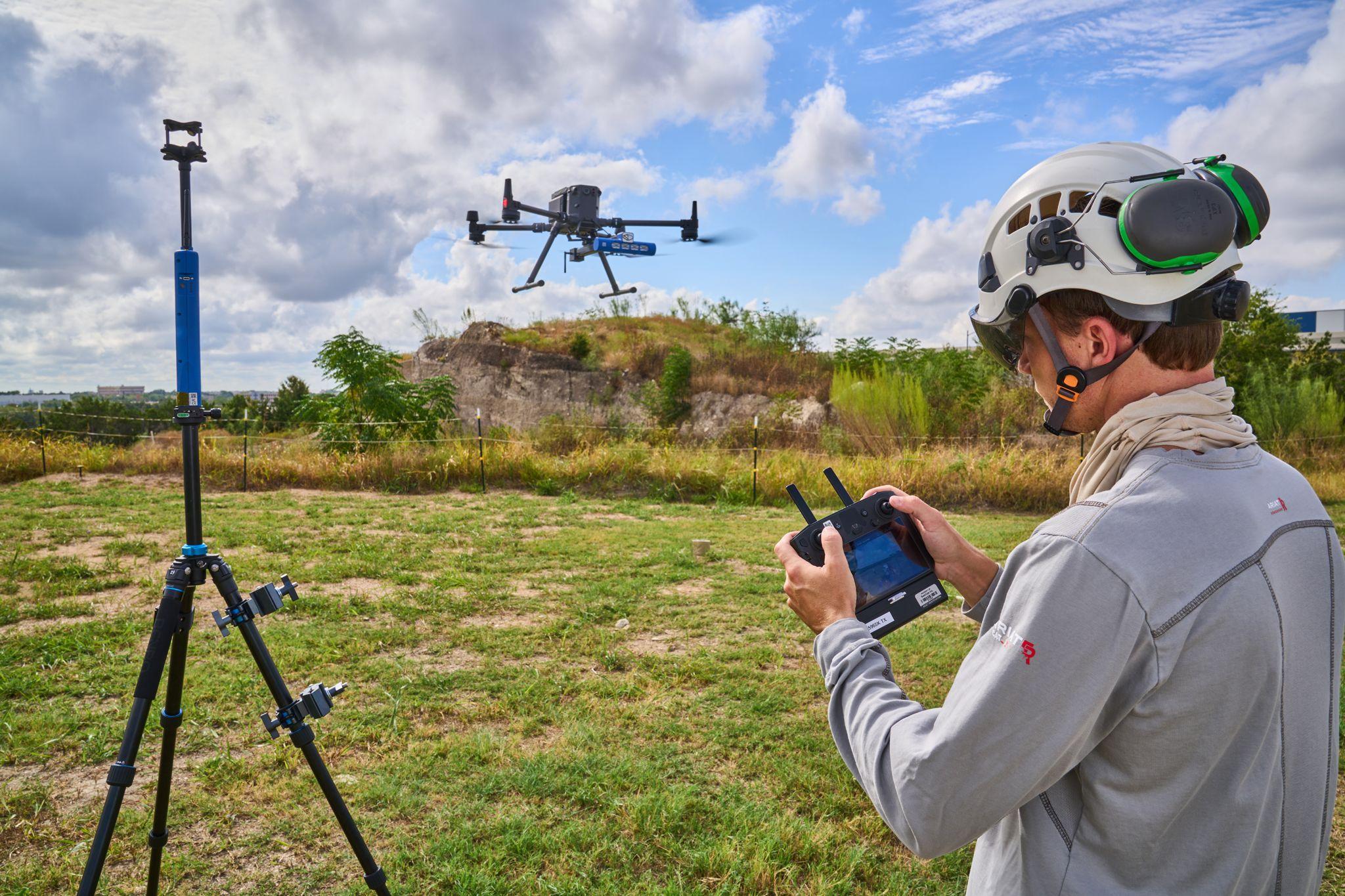
The same discipline goes outdoors for survey and documentation work — a record made to be measured against later, not looked at.
An archive photograph is a promise to somebody you'll never meet, about a thing they'll never see.
Tell us what needs copying.
Dimensions, surface, and what the files are for. Framed or unframed, one piece or a whole body of work.