Religious Ceremonies
We learn the order of service before we bring a camera into it.
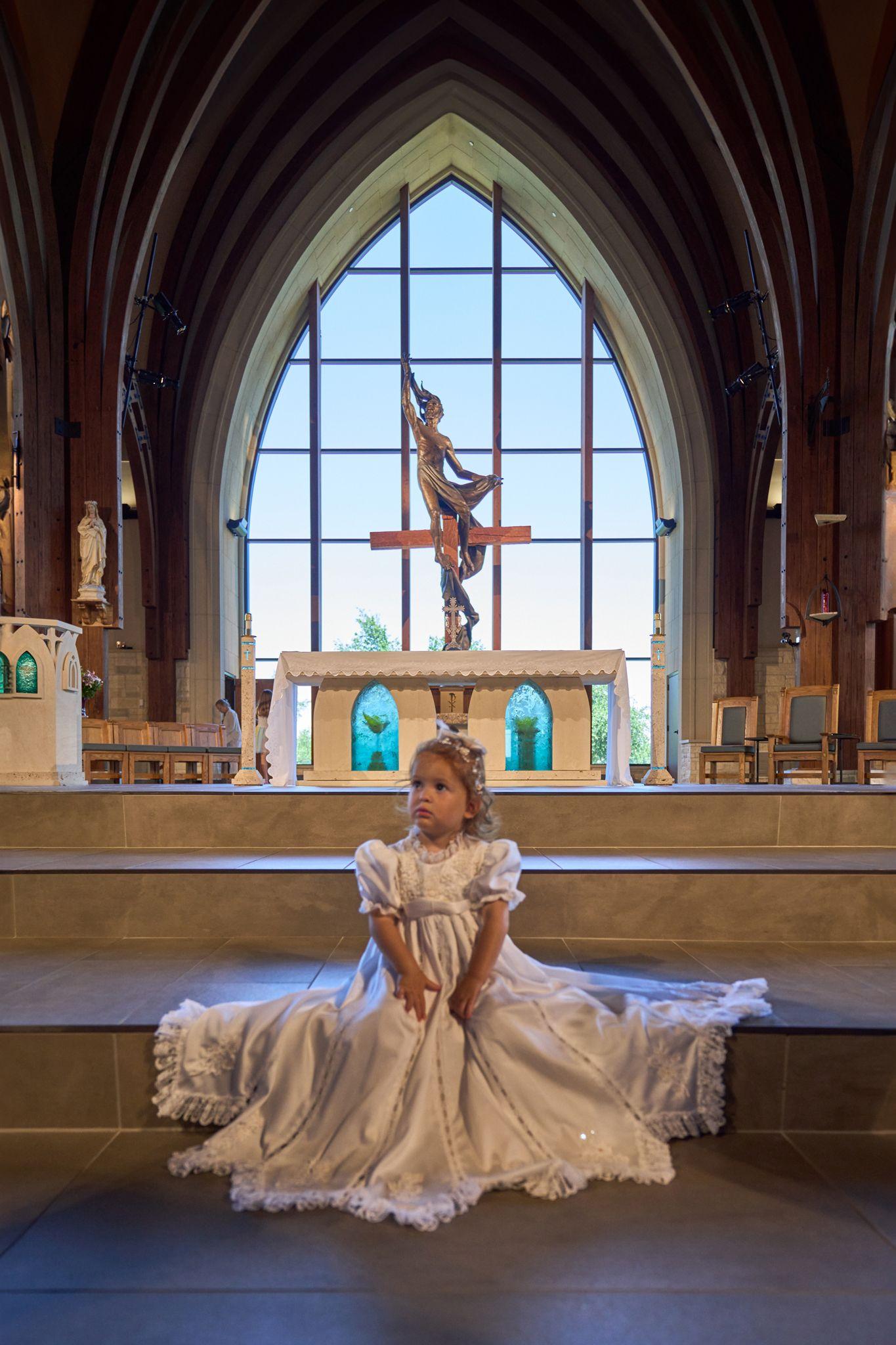
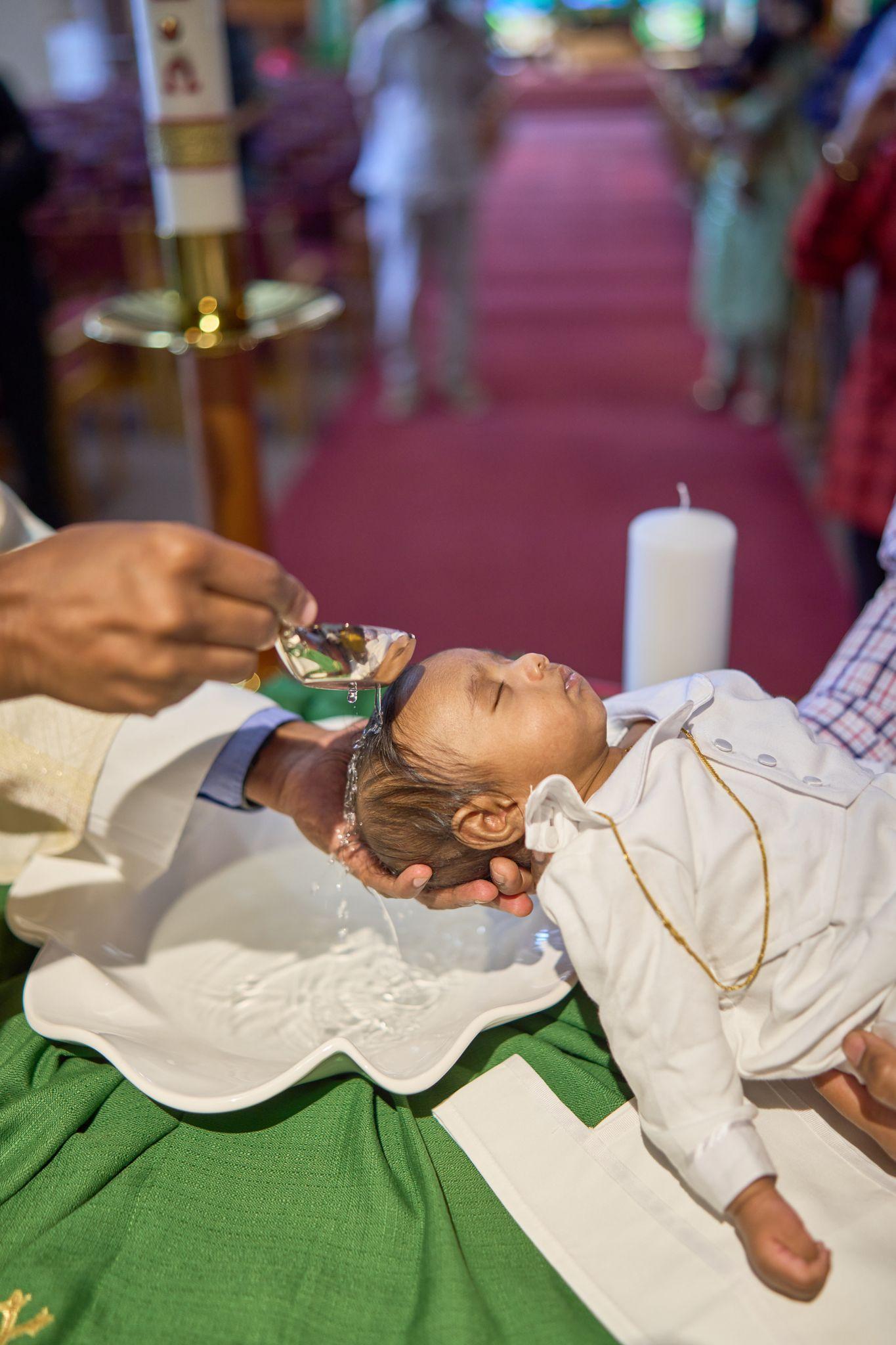
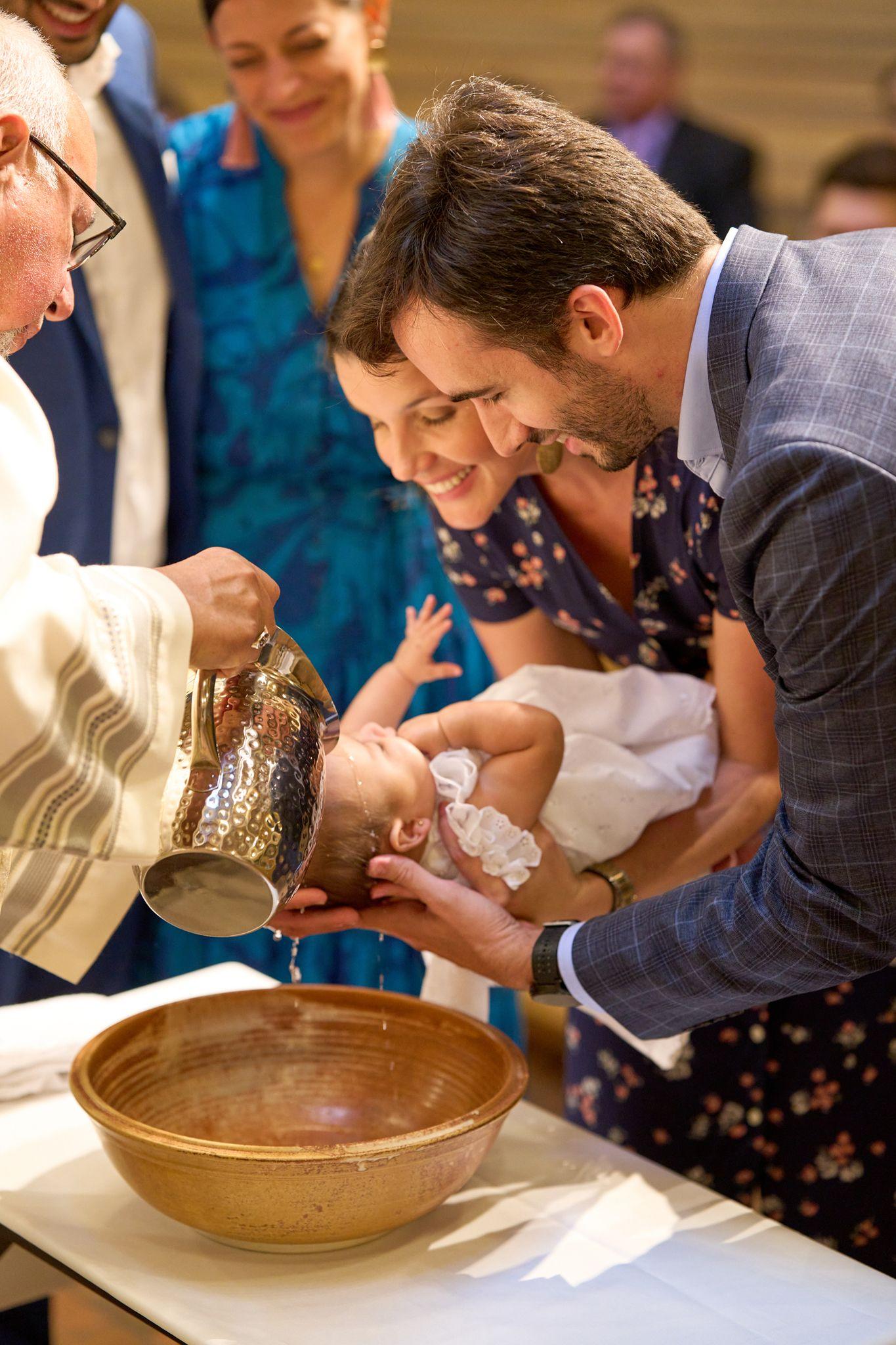
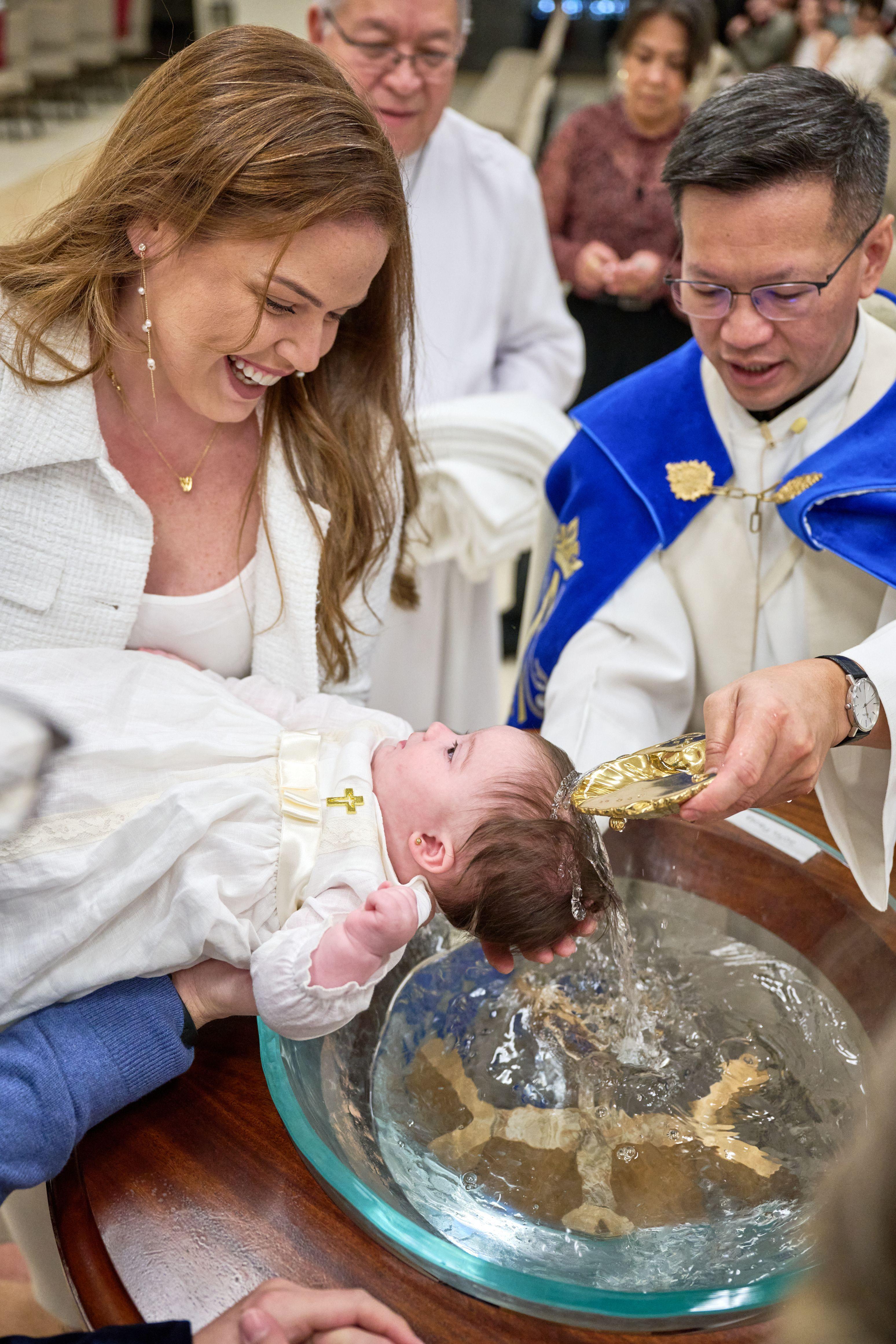
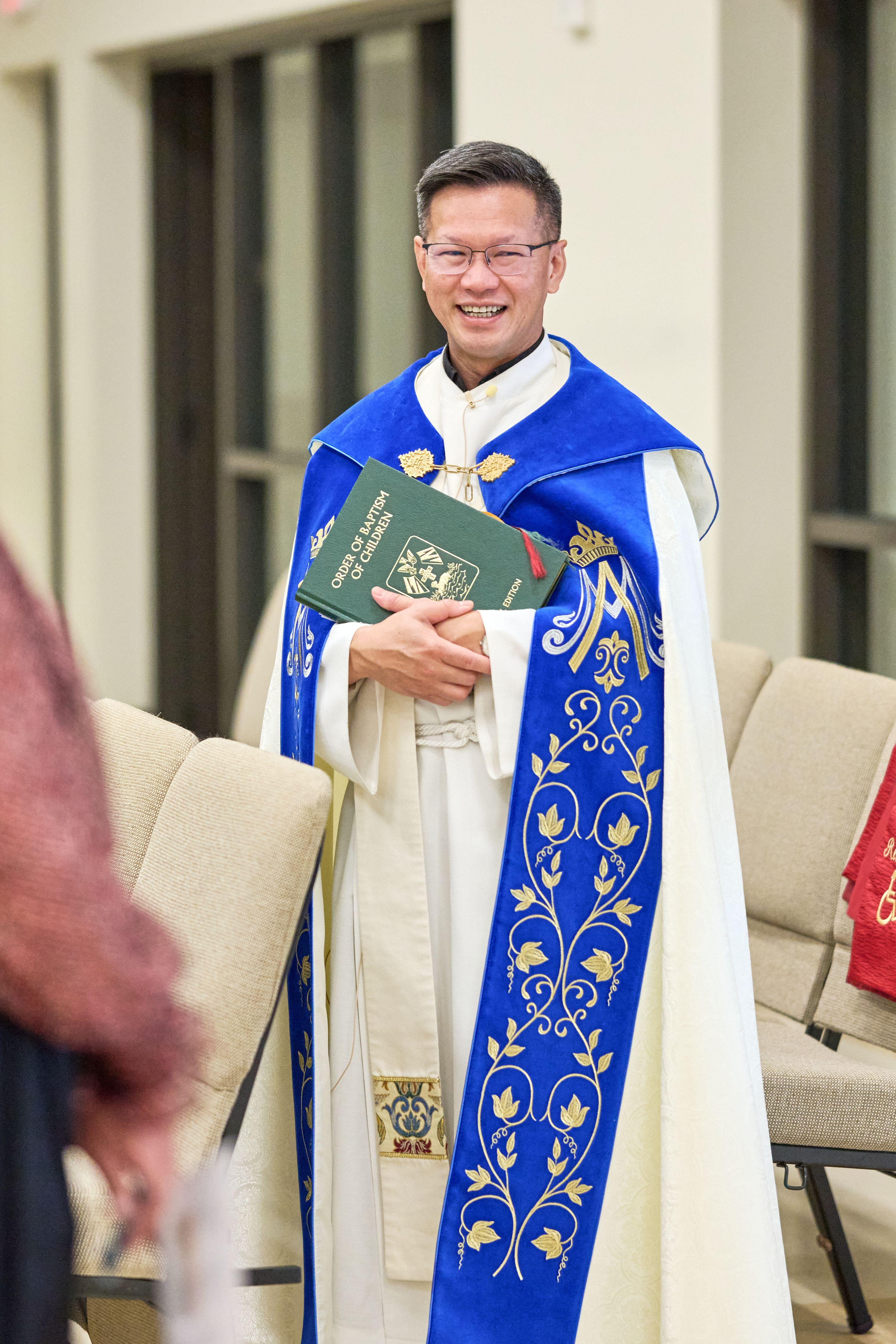
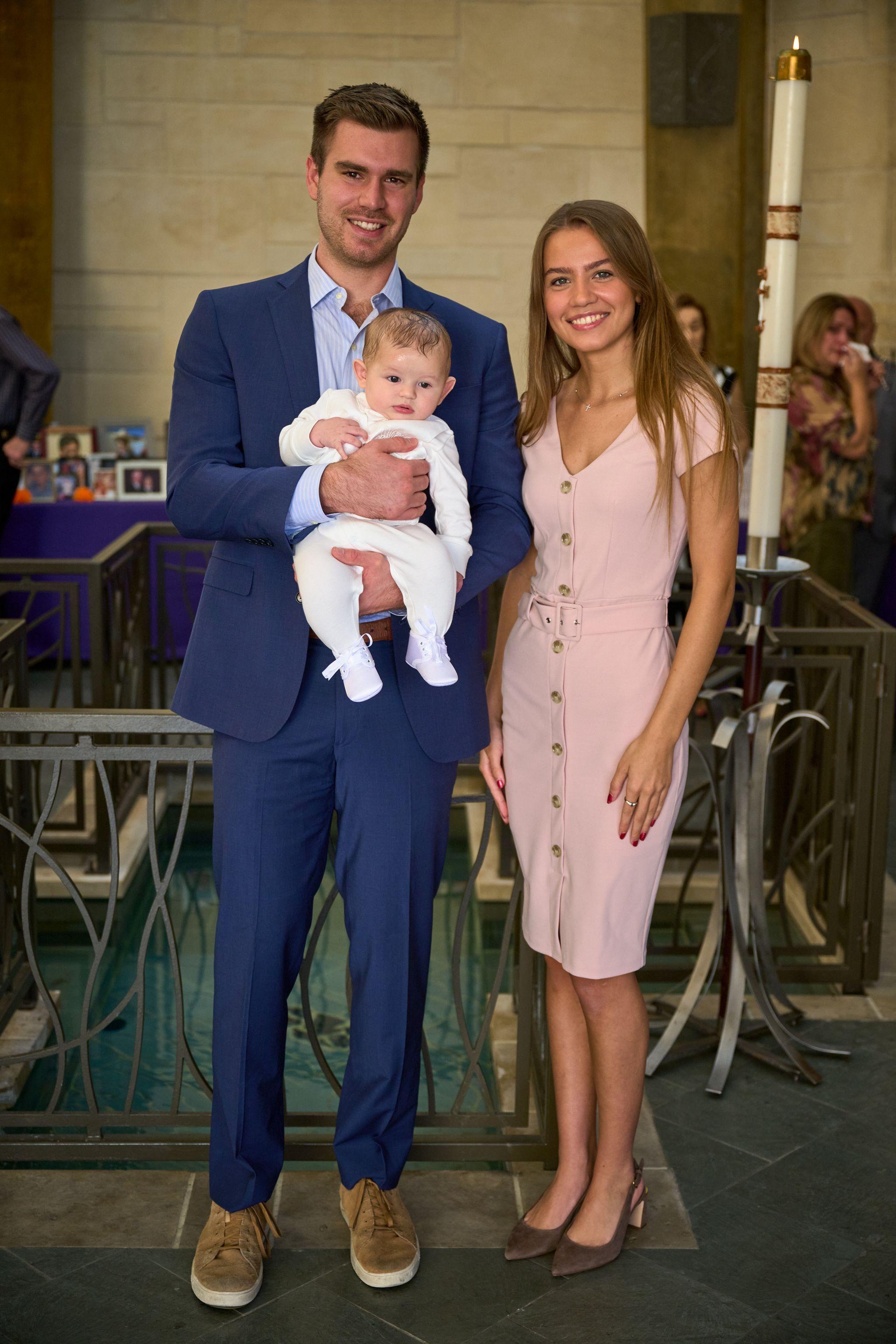
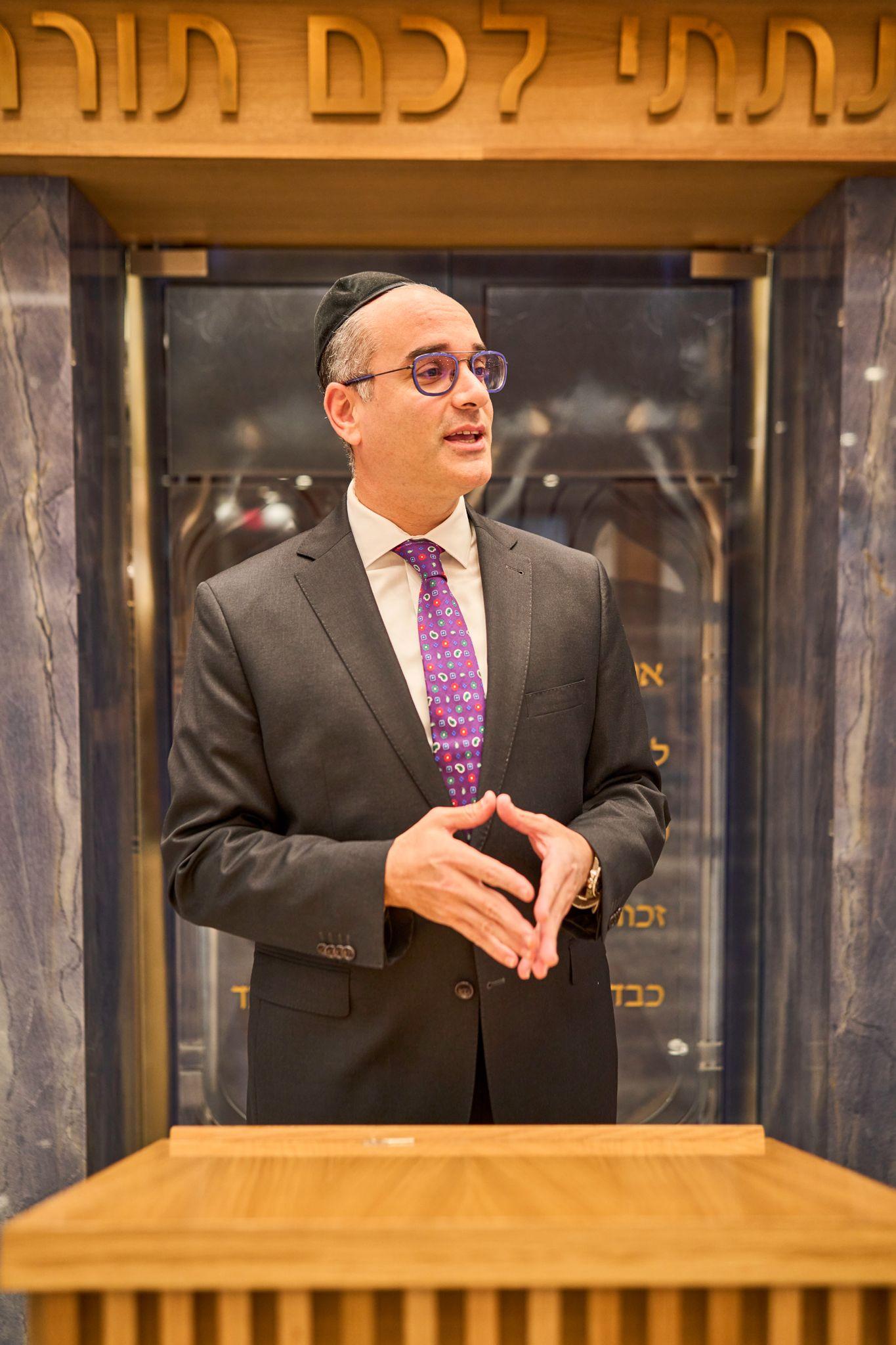
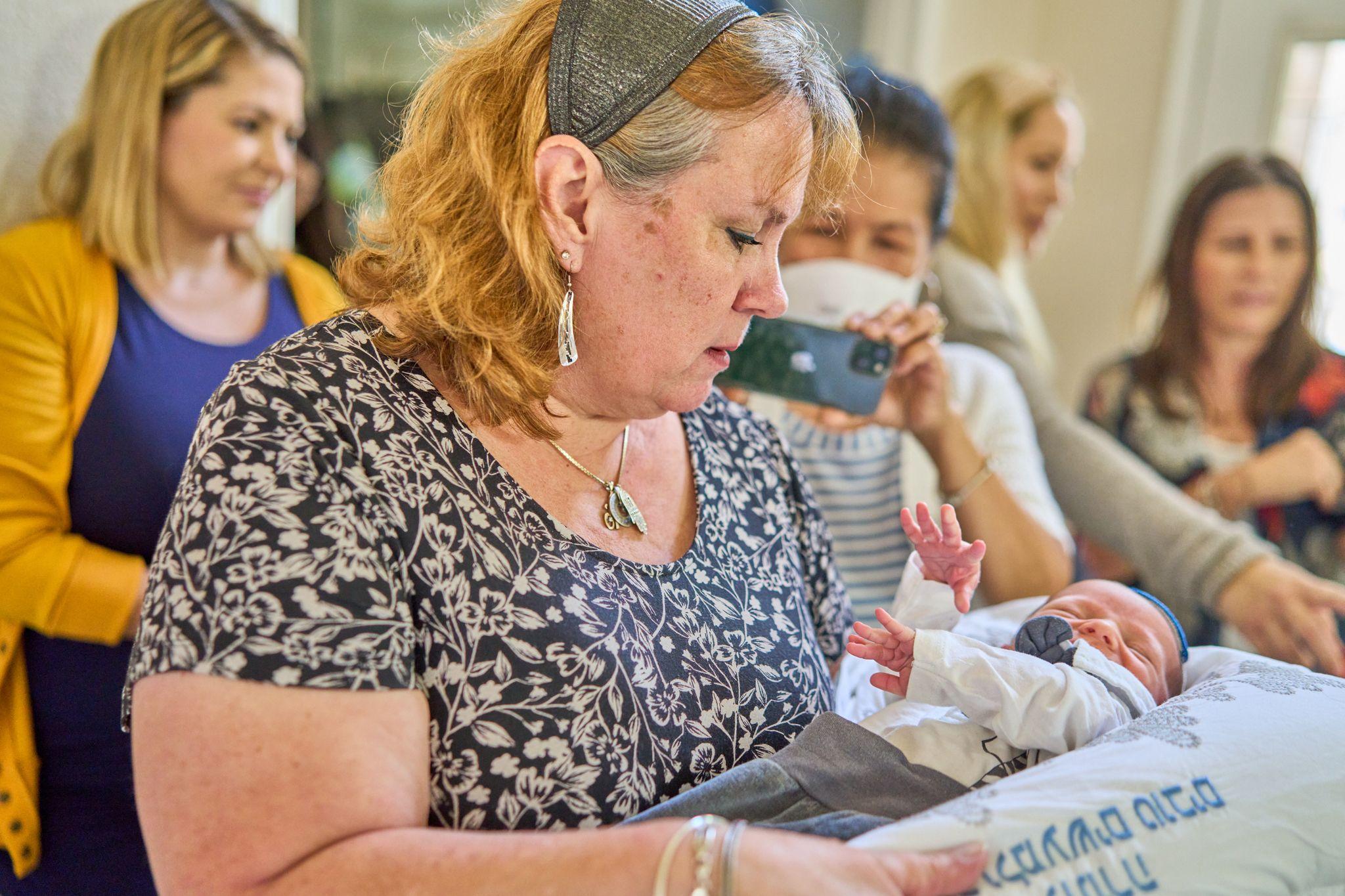
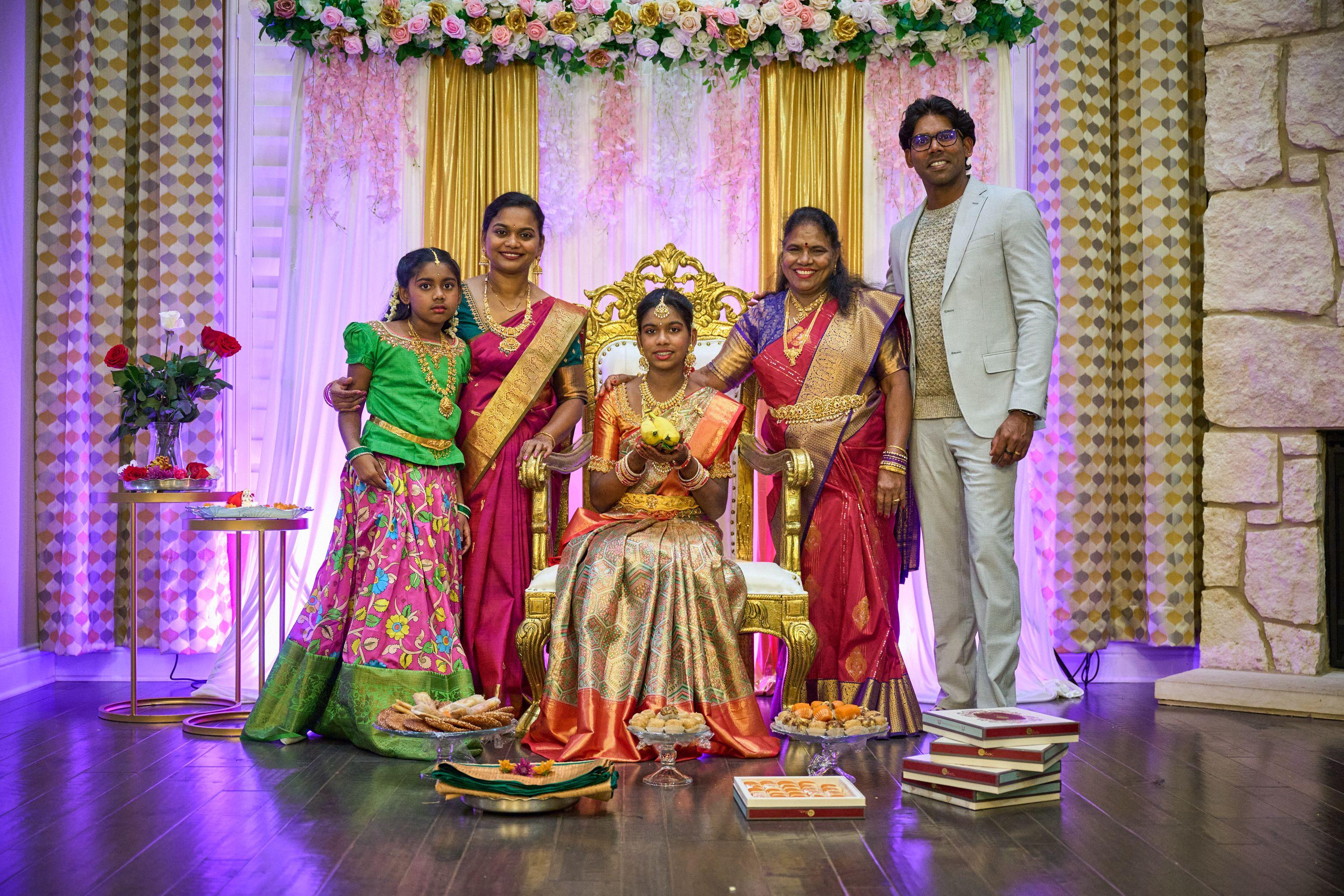
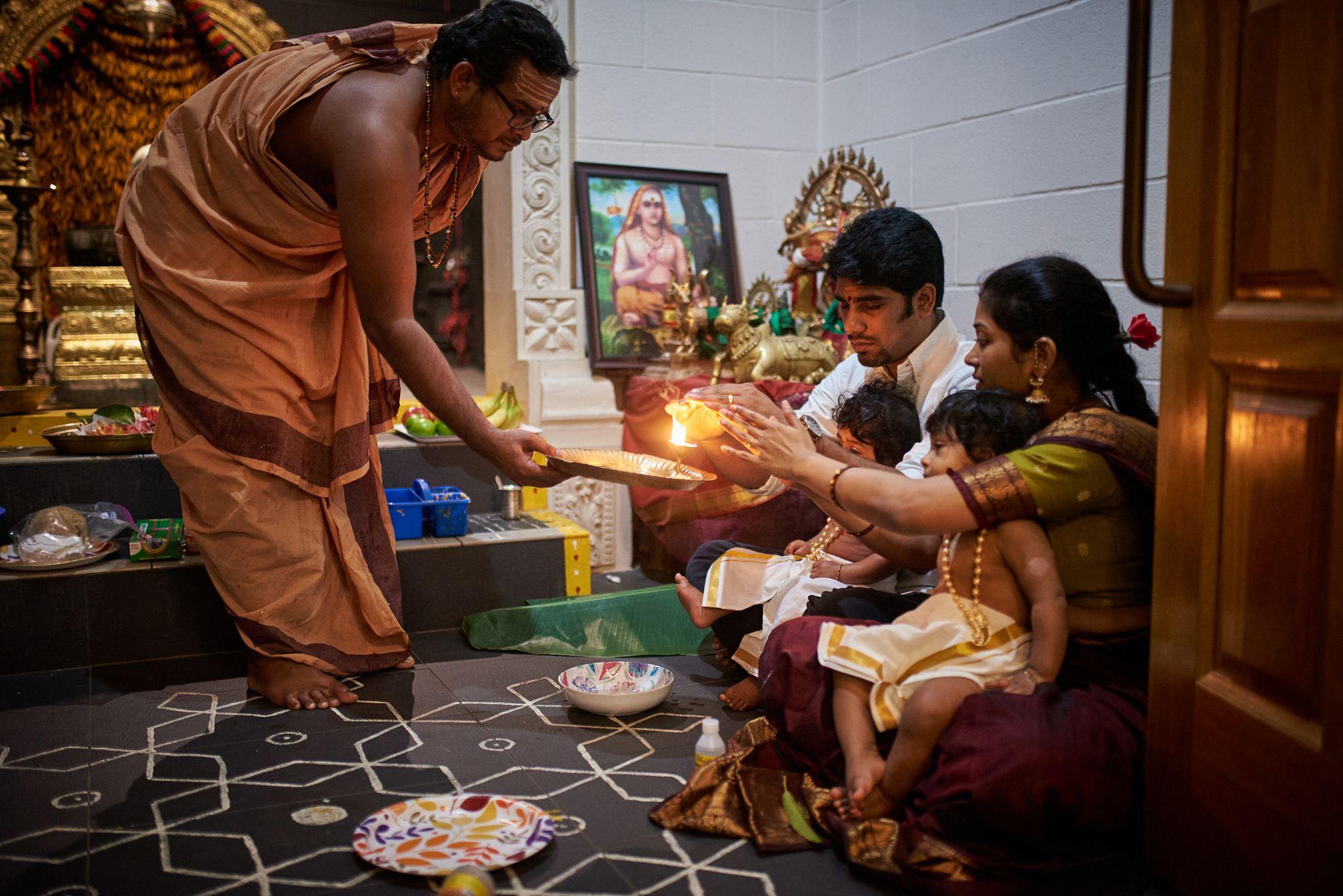
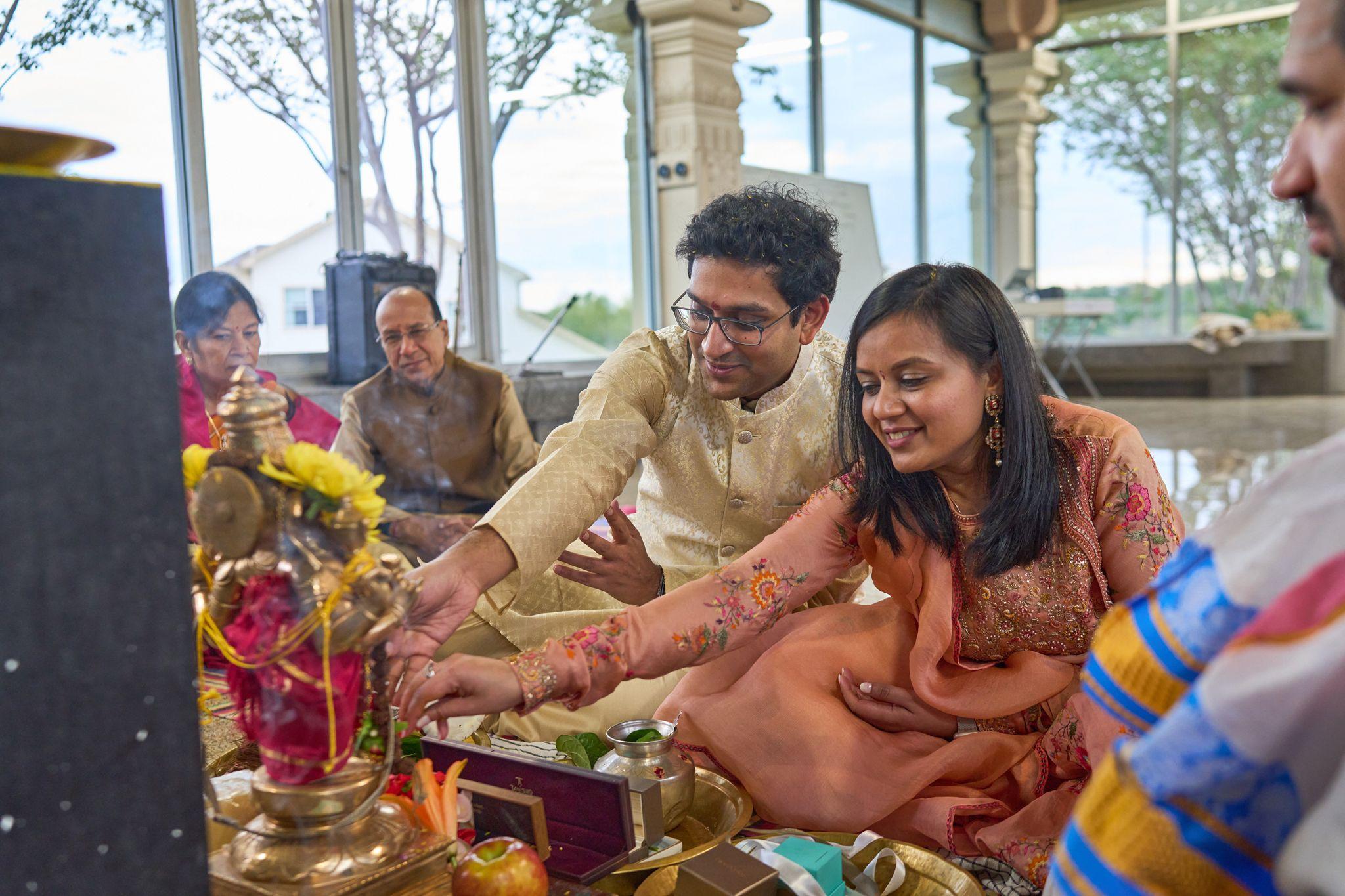
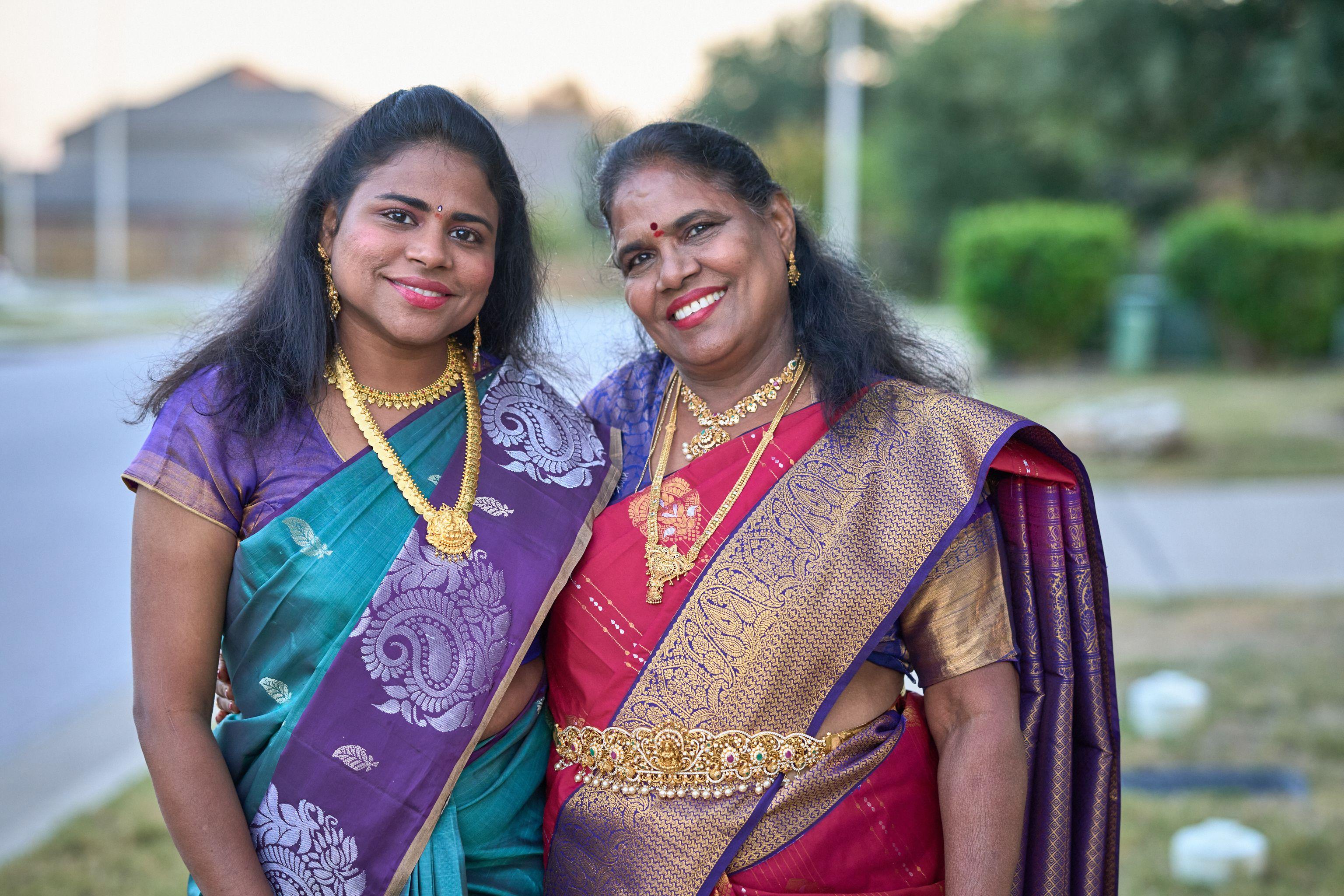
Baptisms, bar and bat mitzvahs, confirmations, pujas, half-saree ceremonies. Every tradition has its own rules about where a camera may stand and when it must not fire — so we ask the clergy or the family first, every time. Quiet lenses, no flash where flash is wrong, and coverage that never puts a photograph ahead of the rite it's recording.
Ceremony coming up? Tell us the tradition and we'll ask the right questions.
Start the conversationThe rite comes first.
We ask permission before the day, not during it. If the answer is no camera at the font, or no flash in the sanctuary, that is simply how we shoot it — and there is always a way to tell the story anyway.
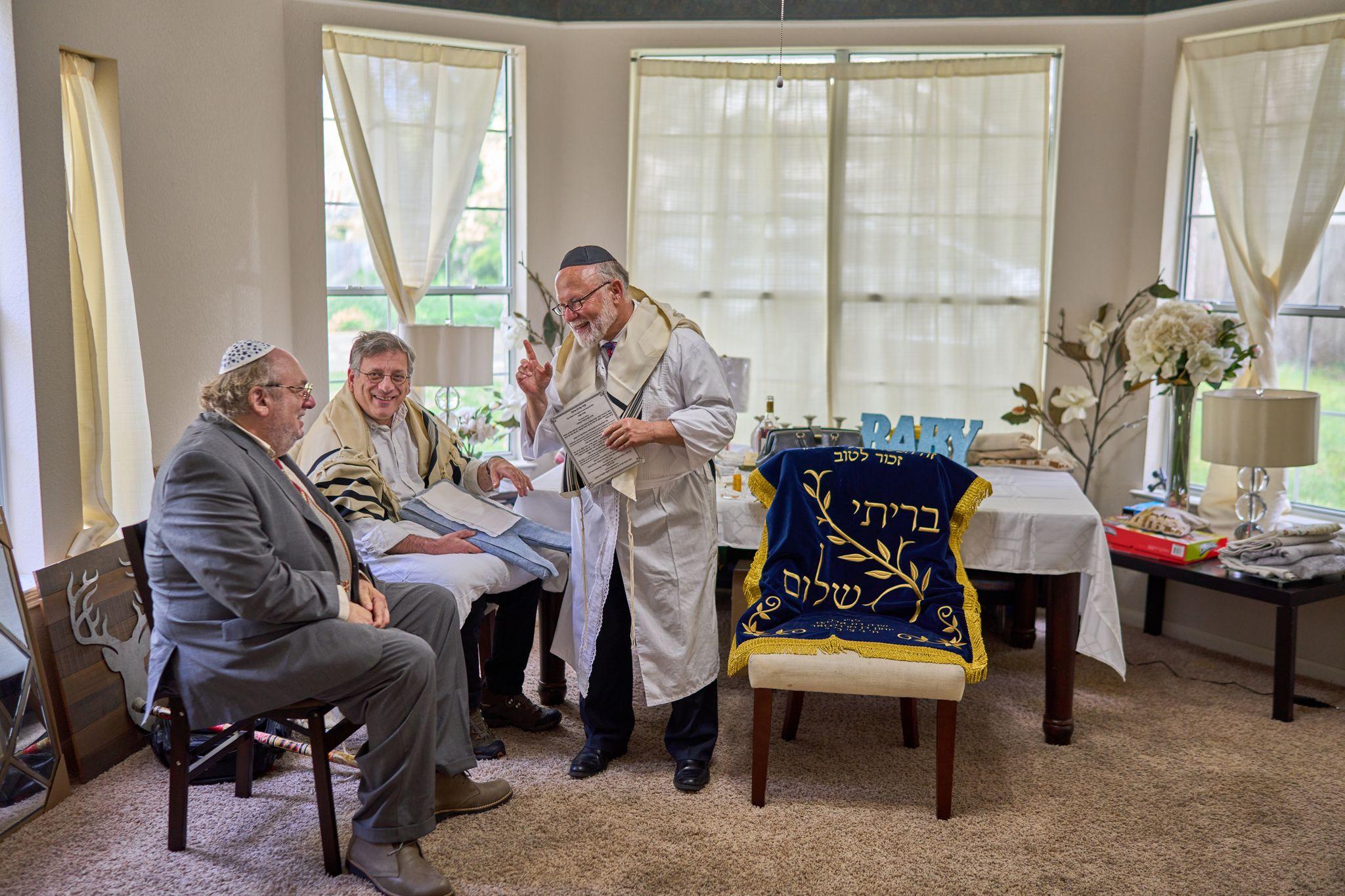
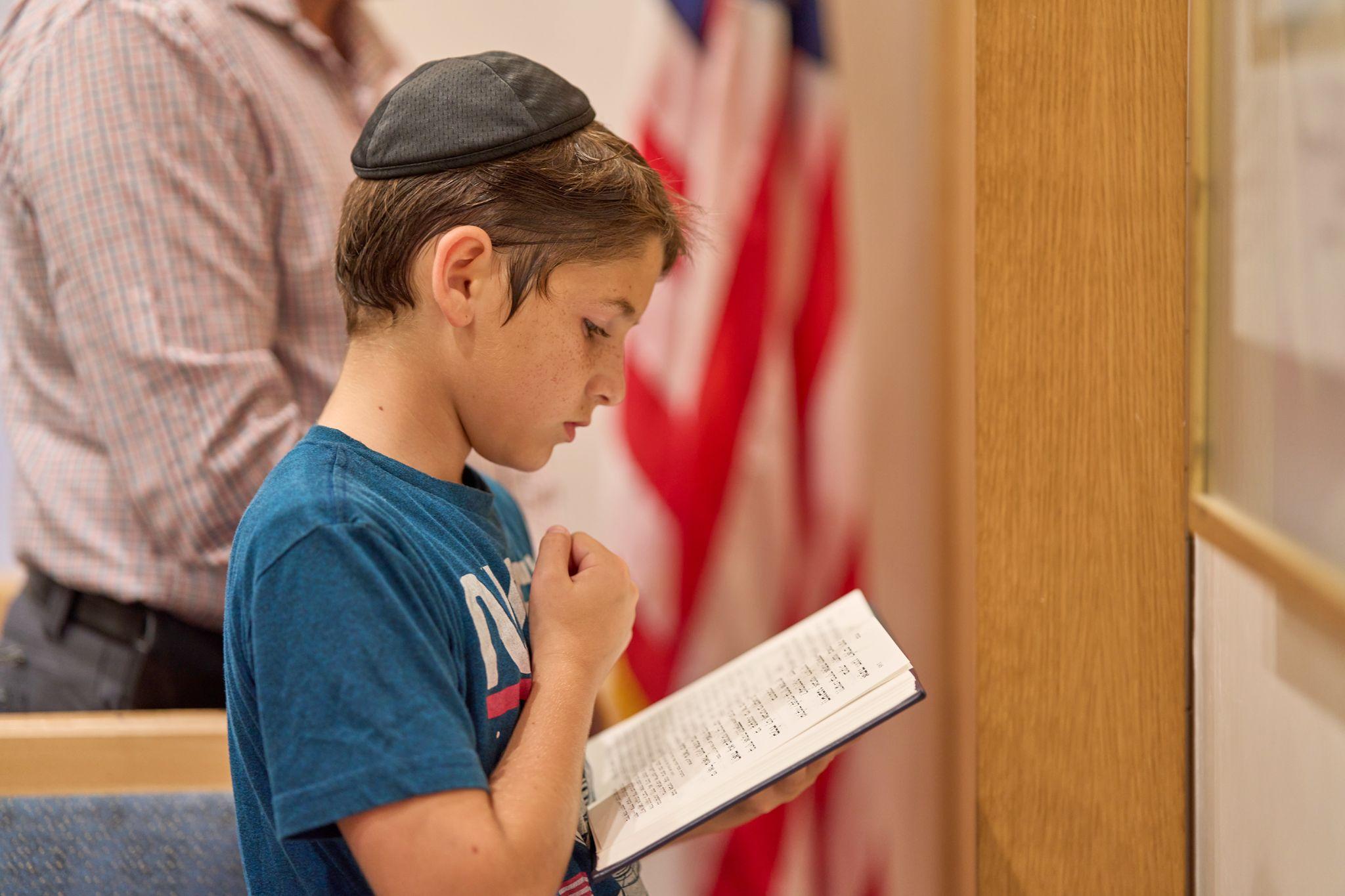
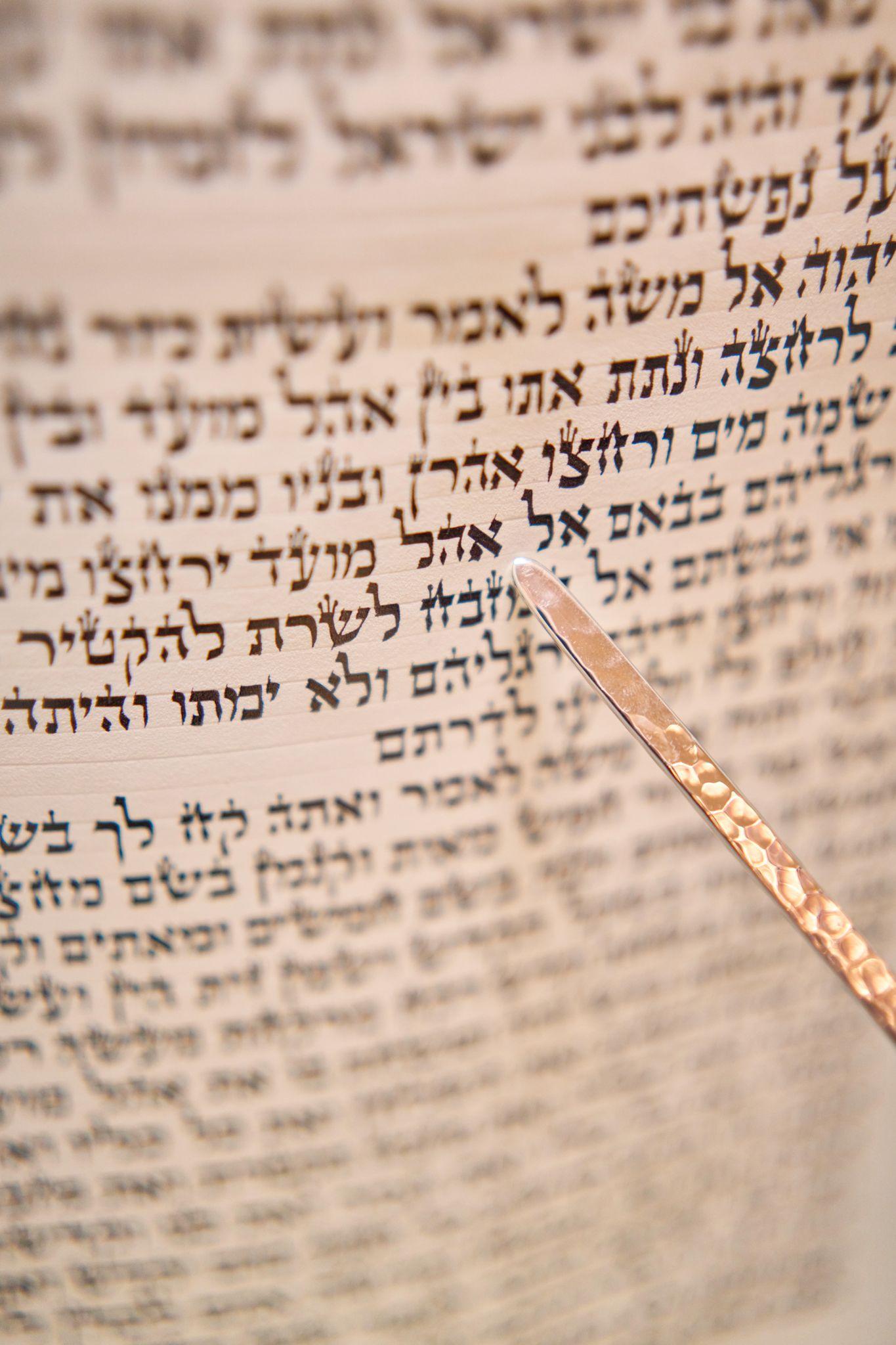
Torah, tallit, thirteen
A year of preparation for one reading. On many Shabbat services photography is limited or not permitted at all — we work to whatever the congregation asks.
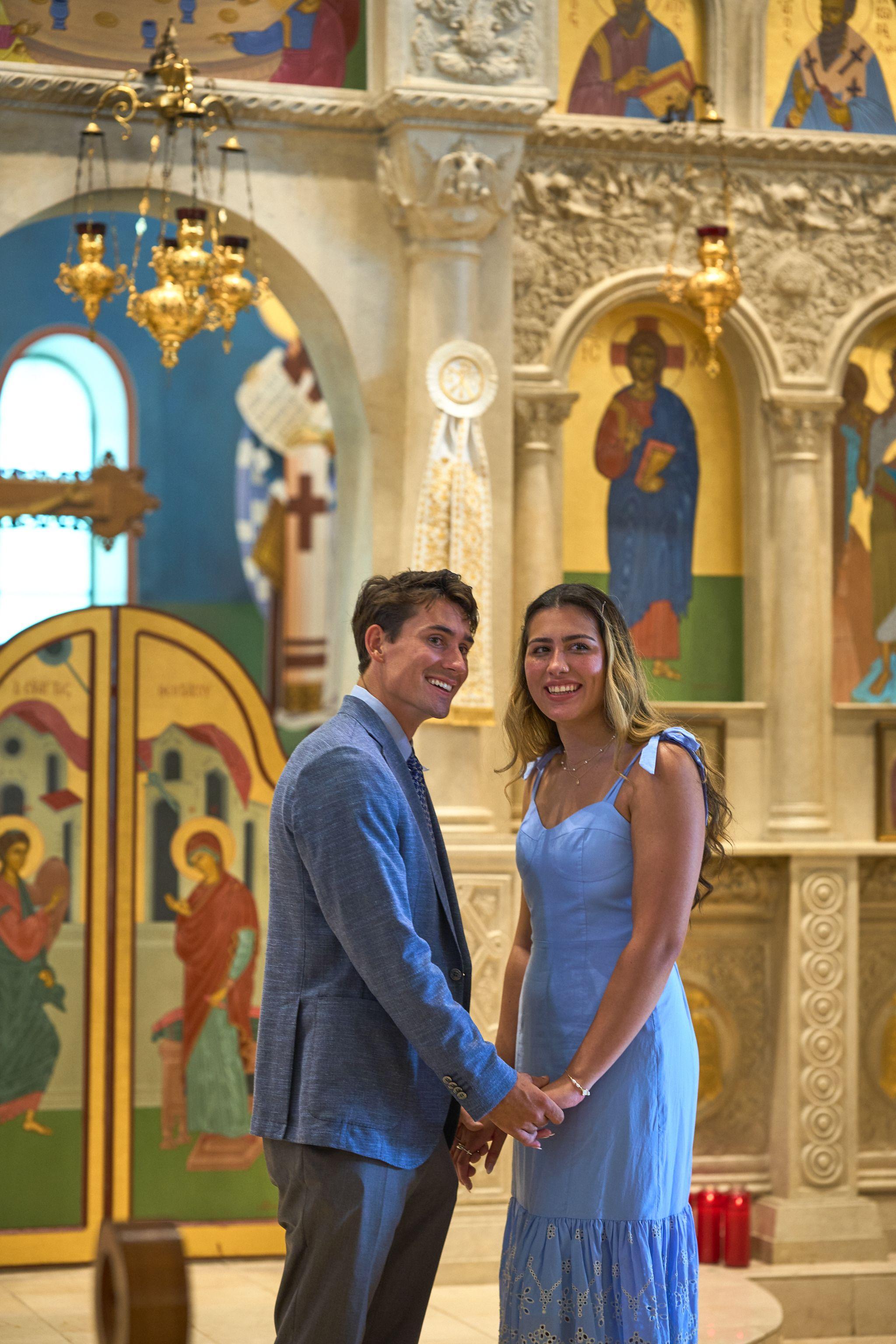
You asked our priest what was allowed before you asked us. That is the reason we felt comfortable the whole morning.
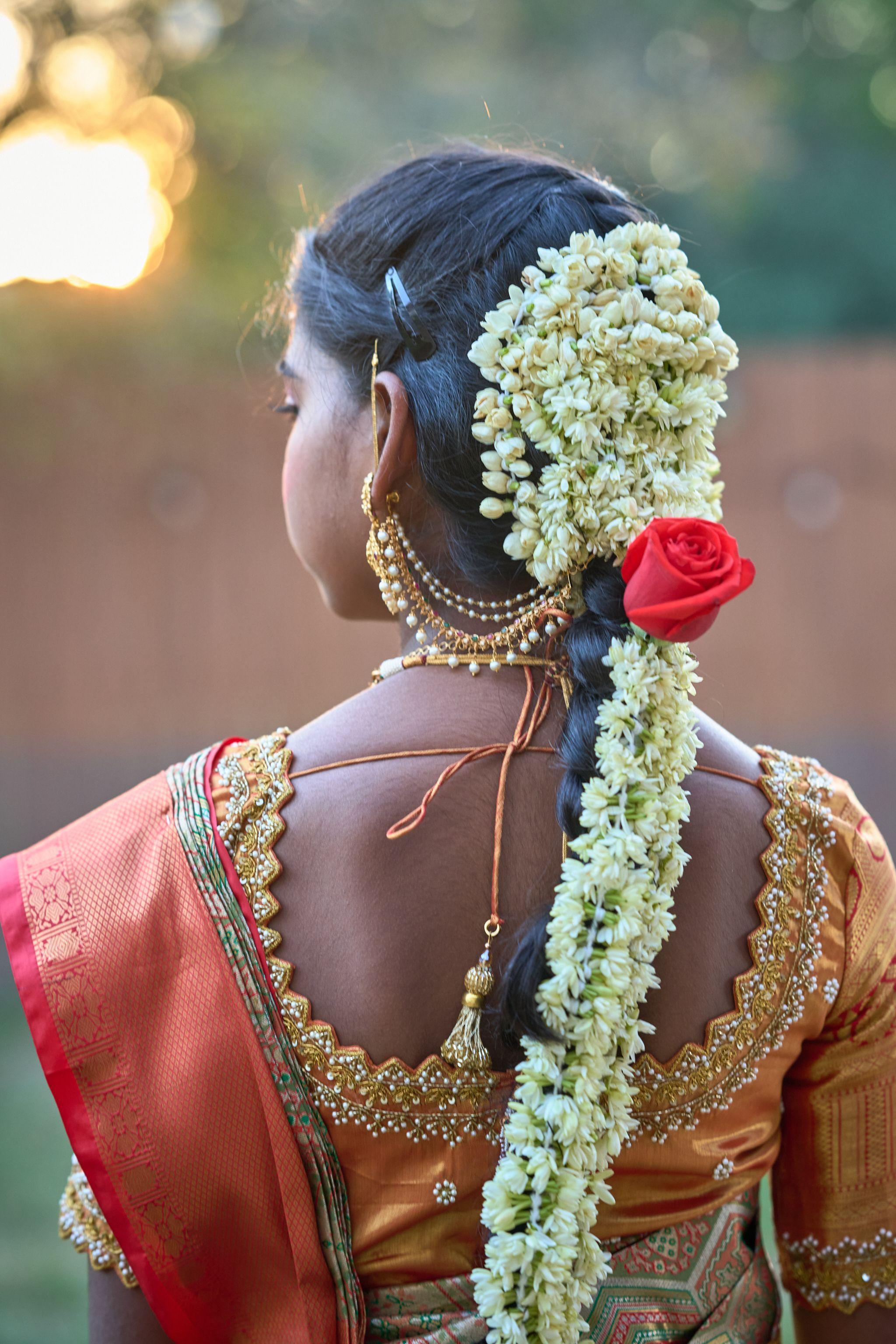
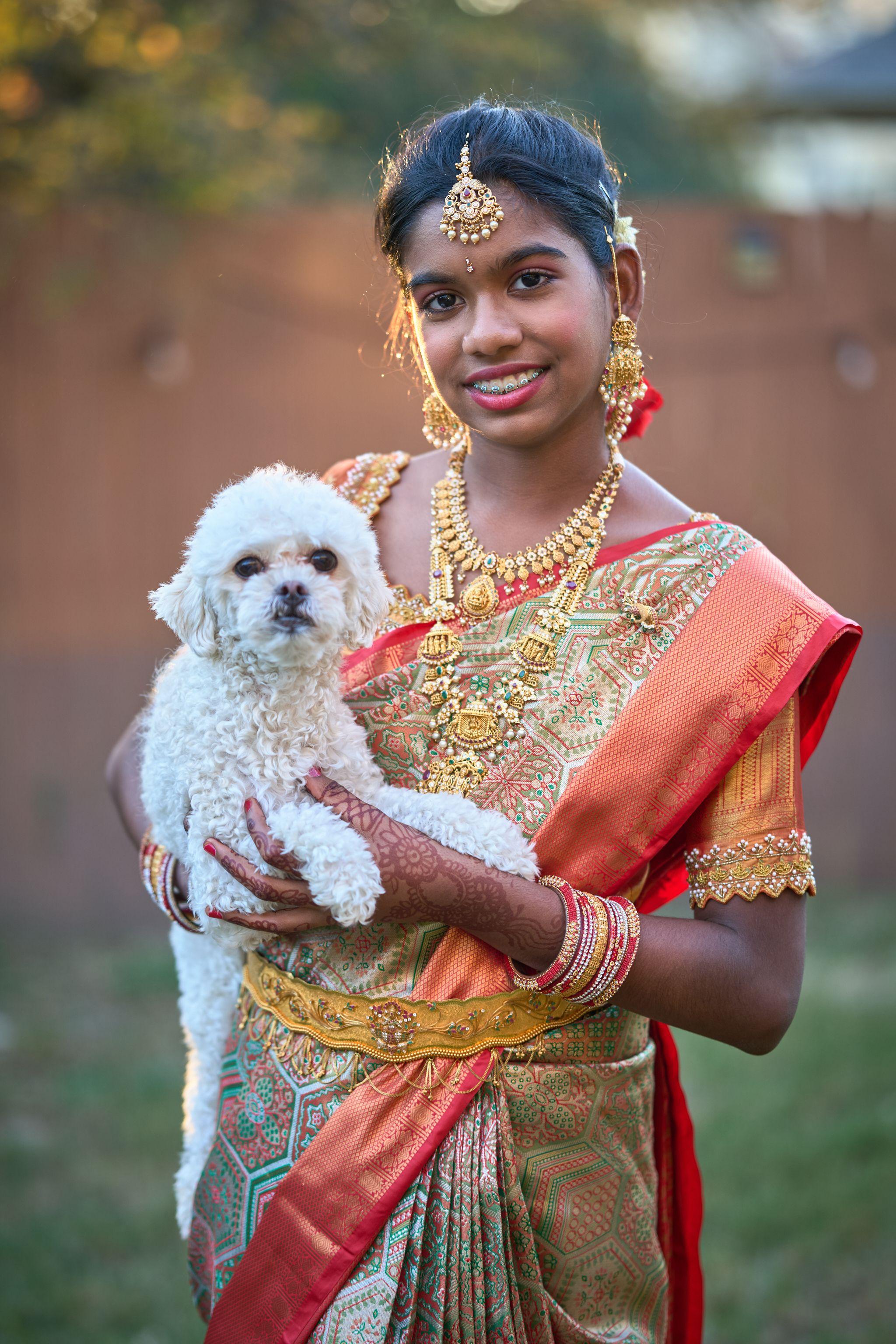
Puja, mehndi, and a house full of relatives
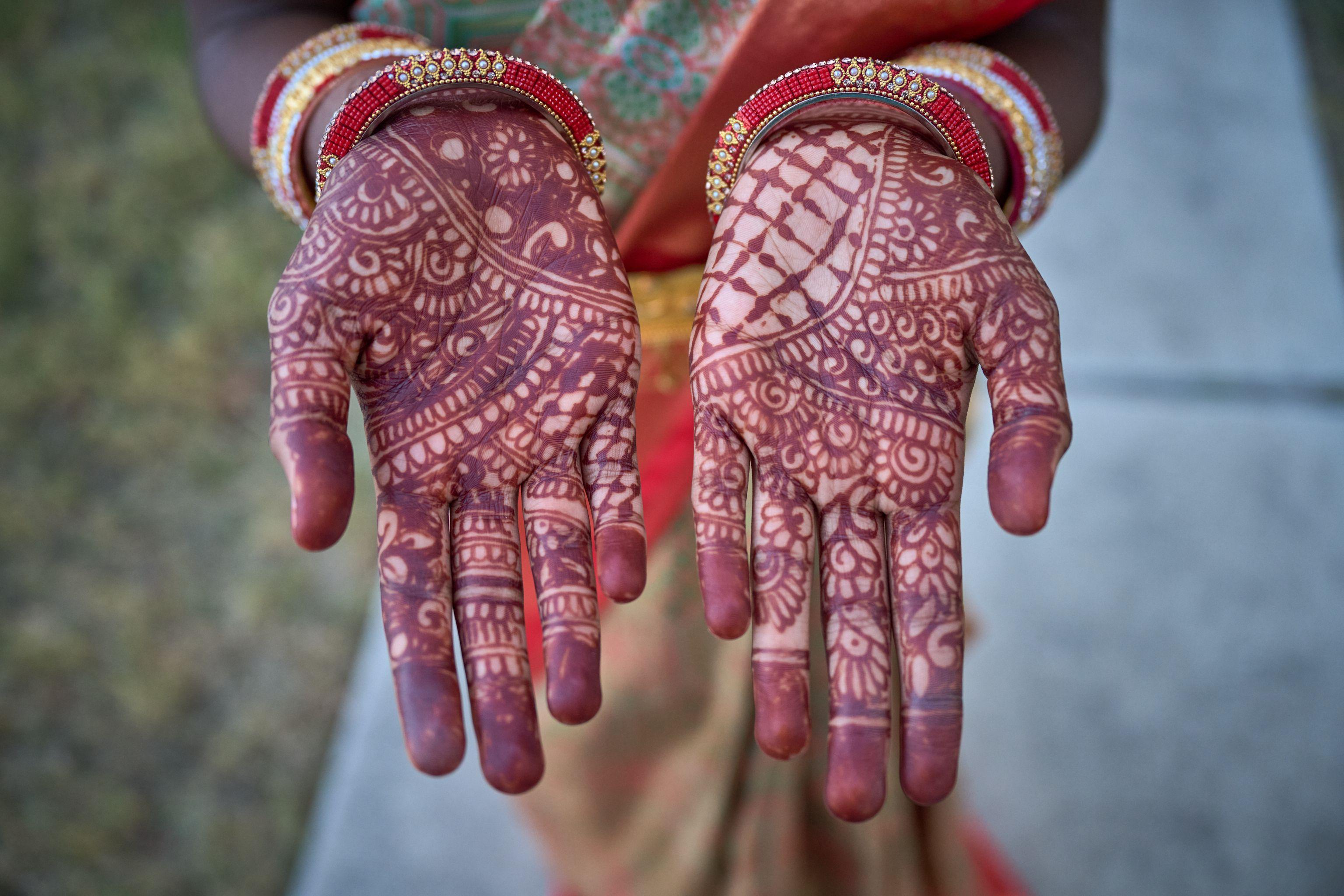
Hindu and Tamil ceremonies run long, move between rooms, and carry an enormous amount of detail. Coverage has to keep up with all three.
Let's make you the story.
Tell us what you need. A sentence is enough to start.